
Teen and Young Adult Movies that Culturally Impacted Fashion
Everyone grows up watching their favorite childhood movies at least 20 times on repeat. It becomes a staple, an emblem, an older brother or sister in a way. These movies and the characters in them fundamentally influence who we want to be when we grow up. Long before we understood personal branding, we understood Cher Horowitz’s confidence, Regina George’s authority, and Sharpay Evan’s unapologetic presence. Through them, fashion became more than clothing. It became identity, aspiration, and expression. As a result, these perfectly quirky, exaggerated, and intentional fashion choices have inherently shaped how we see ourselves and how we choose to present ourselves to the world. Below are iconic films that we grew up with that didn’t just reflect fashion culture, but rather reshaped it.
Clueless (1995)
Courtesy of British Vogue
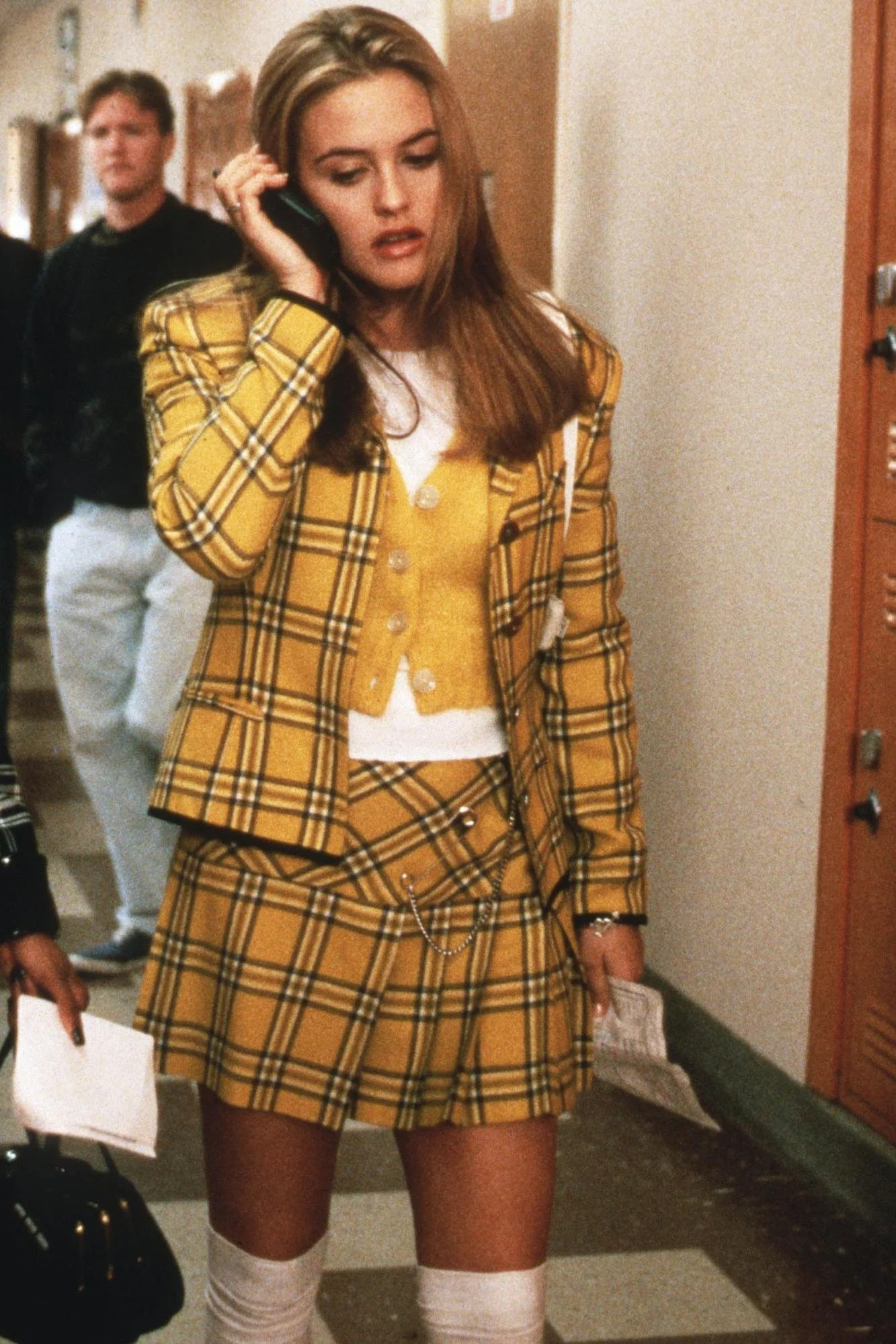
Clueless didn’t just influence fashion, but rather defined it. Cher Horowitz’s bright yellow plaid set remains one of the most recognizable outfits in cinematic history, symbolizing confidence, control, and hyper-femininity. Cher’s clothing wasn’t passive; it was intentional. Every outfit reinforced her presence and authority within her social world.
What makes Clueless so culturally enduring is its ability to frame fashion as both expressive and strategic. Cher’s polished, put-together appearance communicates competence and self-assurance, even when she herself is still figuring things out. Today, nearly three decades later, her influence is everywhere, from coordinated sets and loafers to the revival of preppy, feminine silhouettes. Cher taught us that fashion could be playful yet powerful, polished yet personal, and most importantly, a tool for becoming the person you want to be.
Mean Girls (2004)
Courtesy of Glamour
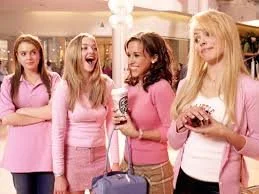
If Clueless created the blueprint, Mean Girls taught us how fashion could operate as social currency. The Plastics’ strict dress codes (pink on Wednesdays, skirts only on certain days) transformed clothing into a language of belonging, hierarchy, and exclusivity. Regina George’s wardrobe of fitted tops, mini skirts, and perfectly styled hair wasn’t just aesthetically pleasing; it was strategic. She used fashion to command attention and reinforce her dominance.
Mean Girls revealed something deeper: fashion wasn’t only about self-expression, but also about social performance. Cady Heron’s gradual transformation from oversized polos and jeans into more fitted, feminine clothing visually tracks her assimilation into this world. Her clothing evolves alongside her identity, showing how fashion can both shape and reflect who we are becoming. Even today, the film’s influence persists in the revival of Y2K aesthetics (baby tees, mini skirts, and monochrome outfits) all rooted in the same desire to be seen, admired, and understood.
High School Musical (2006)
Courtesy of People
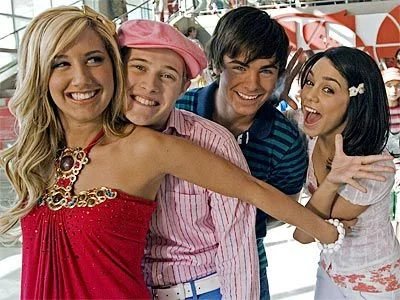
High School Musical captured something different: not fashion as hierarchy, but fashion as identity exploration. Each character’s wardrobe visually communicated who they were and what they valued. Sharpay Evans’ glittering, bold, hyper-feminine outfits embodied ambition and self-confidence. Troy Bolton’s athletic wear reflected discipline and expectation. Gabriella Montez’s softer, more understated style conveyed introspection and emotional depth.
What made High School Musical so influential was its emphasis on the freedom to move between identities. Characters weren’t confined to a single aesthetic; their clothing evolved as they discovered new parts of themselves. Sharpay showed us that being “extra” was something to embrace, not suppress. Gabriella showed us that quiet confidence could be just as powerful. Troy showed us that identity didn’t have to be singular.
For many viewers, this was the first time they saw fashion used to express internal conflict, growth, and transformation, not just popularity or status, but individuality.
These films didn’t just entertain us, but they raised us. They taught us that fashion could communicate confidence before we even spoke, signal belonging before we found our place, and help us grow into versions of ourselves we hadn’t yet fully realized. Long before we developed personal style, we developed emotional connections to these characters and their wardrobes. We borrowed pieces of their confidence, their boldness, and their self-expression.
Even now, their influence lingers in subtle ways: in the outfit chosen for a first internship, the confidence drawn from a perfectly coordinated look, or the instinct to dress not just for who we are, but for who we are becoming. Fashion, as these films taught us, has never just been about clothing. It has always been about possibility.
Featured Image Courtesy of ABC News
