
Tracing the Steps: History of Repetto
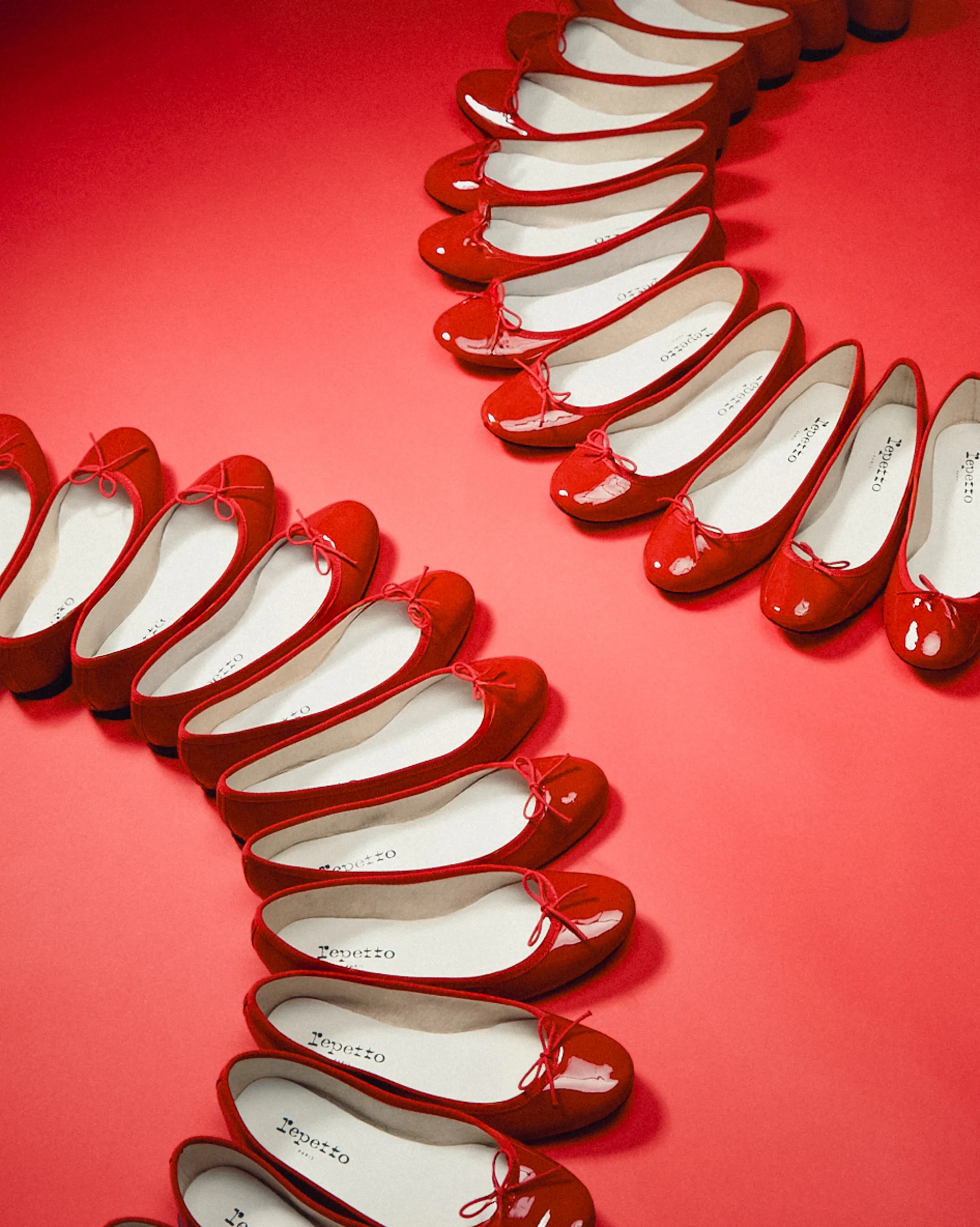
Sneakers are practical, boots are bold. But take one stroll on Locust, and you’ll notice them – students gliding by in their ballet flats, epitomizing the “effortless chic” without even trying. But where did this modern campus staple come from? Ballerina flats date back to 1947, when Rose Repetto stitched her first shoes for her son, bringing stagewear to the sidewalk. Repetto, originally a prominent producer of ballet slippers and leotards for professional Parisian dancers, eventually bridged the gap between performance and everyday style. The House pioneered the ballet flat as we know it, transforming the practical dance shoe into a cultural icon that now permeates chic fashion.
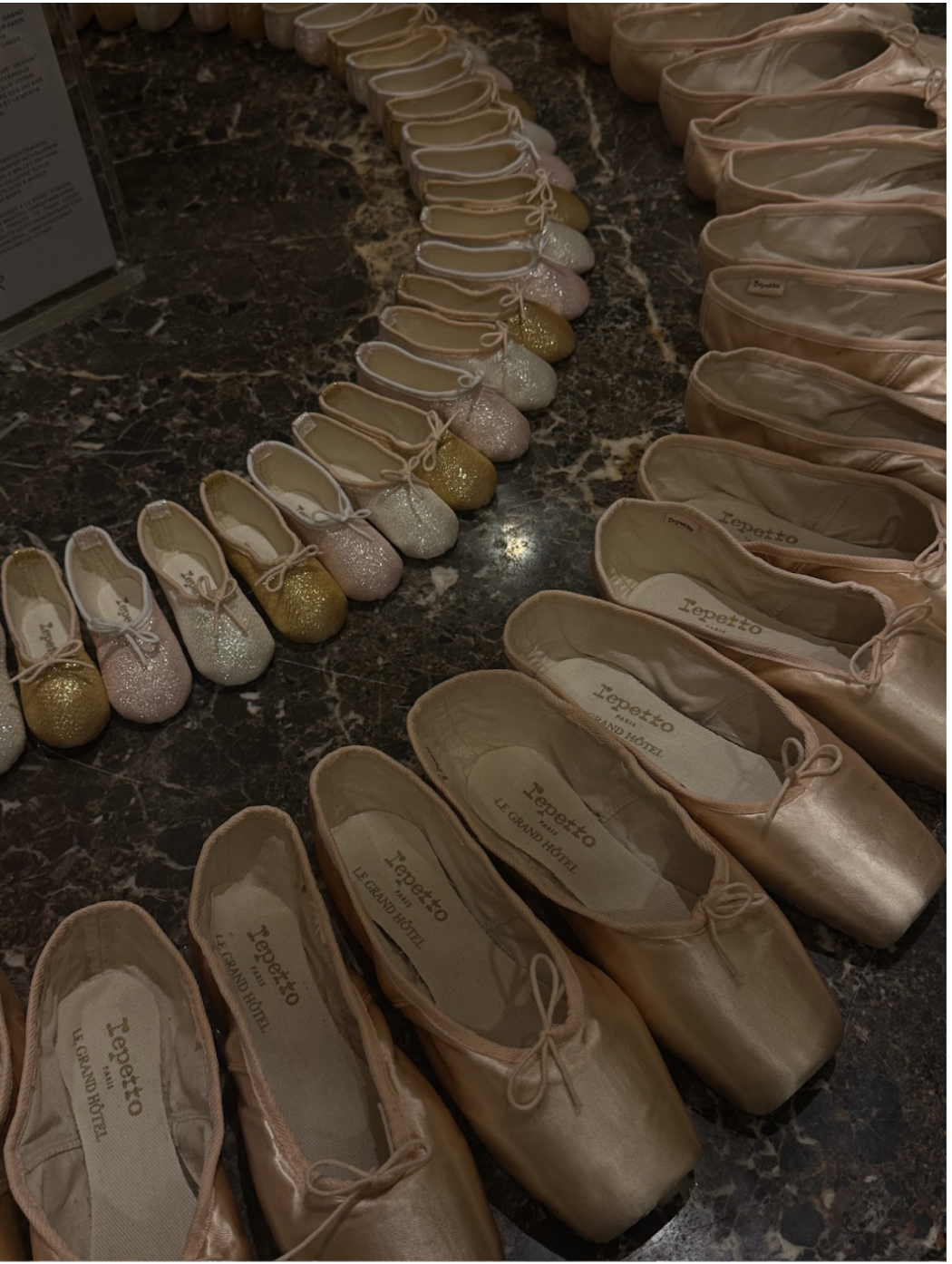
Upon following her son’s advice, Madame Rose Repetto began her tiny dance slipper workshop at 22, rue de la Paix, next to the Paris National Opera. Repetto quickly gained prominence in the world of dance for its creative take on the classical ballet shoe. The shoes were not only as light as traditional demi-pointes, but they were far more feminine. The ballerina slipper was born. By 1959, the first Repetto boutique opened in Paris, marking their official step into fashion.
Courtesy of Instagram
The transition from traditional ballet shoes to the modern ballet flat was an ode to the elegant nature of ballerinas. Traditional ballet slippers, designed for performance, prioritize flexibility and lightness but are not suitable for everyday wear. Rose Repetto reimagined the design, maintaining the form-fitting silhouette of free-moving ballet dancers while reshaping it for street-ready wear. By lowering the heel and introducing unique feminine touches like rounded toes, Repetto transformed the purely functional demi-pointe into a stylish flat. In essence, Repetto’s ballet flat preserved the grace of the dancer’s step while translating it into everyday elegance.
So, why has the ballet flat remained a prominent trend throughout the century? The ballet flat’s enduring appeal lies in its effortless functionality. Not only does it provide the stark mobility of a ballerina’s slipper, but it also allows women to embrace the elegant nature of the ballerina style. On Penn’s campus, students pair them with jeans, skirts, and dresses. The flat is not only enduring, but adaptable to our many new trends.
Today, Repetto has evolved far beyond its atelier on rue de la Paix, becoming a global luxury house celebrated for both heritage and innovation. While the ballet flat remains the brand’s signature piece, Repetto has expanded into sneakers, loafers, heels, apparel, and accessories, all infused with the same dedication to craftsmanship and movement that defined Madame Repetto’s first creations. Collaborations with designers and limited-edition collections have kept the brand culturally relevant, blending contemporary trends with its timeless Parisian aesthetic.
Repetto’s products now grace runways, city streets, and international boutiques, appealing to a generation that values style without sacrificing comfort. Yet even with its global reach, the House maintains its original philosophy: that elegance is born from precision, grace, and attention to detail. Whether stepping across the cobblestones of Paris or on Locust, each epitomizes the ballet flat’s adaptation to modern fashion while honoring its ballet roots.
Courtesy of Fashion Tech News
Featured Image Courtesy of Repetto