
How I Learned to See Fashion
The first camera I ever had was gifted to me as a young child. It was a small digital Canon camera that fit into the palm of my hand. It was shiny silver, slightly scratched, and went everywhere with me.
I photographed absolutely everything.
The sidewalk outside my house, my Assyrian family and their Persian friends at their weekly gatherings, my hamster running around my room, random store displays in malls when travelling with my dad for his job.
At the time, I didn’t think of it as photography. I simply enjoyed capturing moments and hyperfixating on interesting things I saw around me. My great grandfather was an architect. I think that shaped the way I looked at the world. I spent an unusual amount of time staring at and studying buildings. Their windows, staircases, interiors, and the way the light hit certain spots differently at various times of the day.
Eventually, I was drawn to noticing the people inside those spaces too, and the clothes they wore.
Then one day I dropped my camera on the pavement on a trip with my family. The lens never opened again and I was devastated.
I remember trying to turn it on and off nearly 50 times, praying it would somehow fix itself. It didn’t.
For a while, I thought this meant I had lost photography. Particularly because I was too afraid to tell my parents I had broken my camera.
But looking back, I think that was actually the moment I started learning how to see.
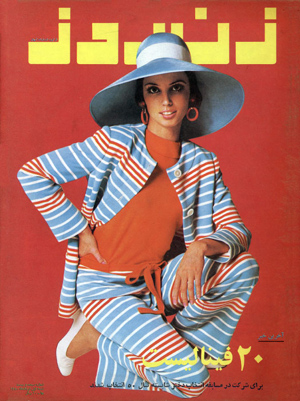
Around the same time, my grandmother started teaching me how to crochet, knit, and sew on a sewing machine she swore her mom brought over from Tehran. Along with that came stacks of old fashion magazines. Some were from the 90s, and some were even older. A few had been sitting in boxes for years. Others had been brought back from trips or passed down between relatives and friends.
Courtesy of Google
Most people likely would have skimmed through or glanced over the images, but I studied them religiously for weeks to come.
My study of them was not in a formal way, but rather slow, and page by page.
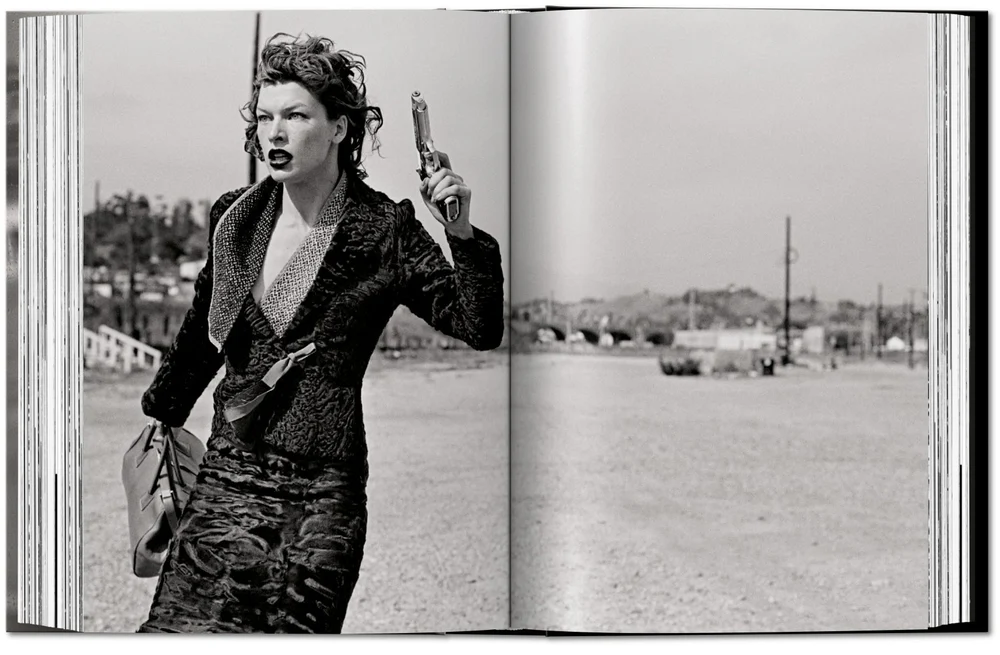
There were old Calvin Klein campaigns that felt almost documentary. Stark black-and-white portraits where the models looked less like models and more like people who had simply been interrupted mid-moment.
Courtesy of New Mags
Later I learned many of those images were photographed by Peter Lindbergh.
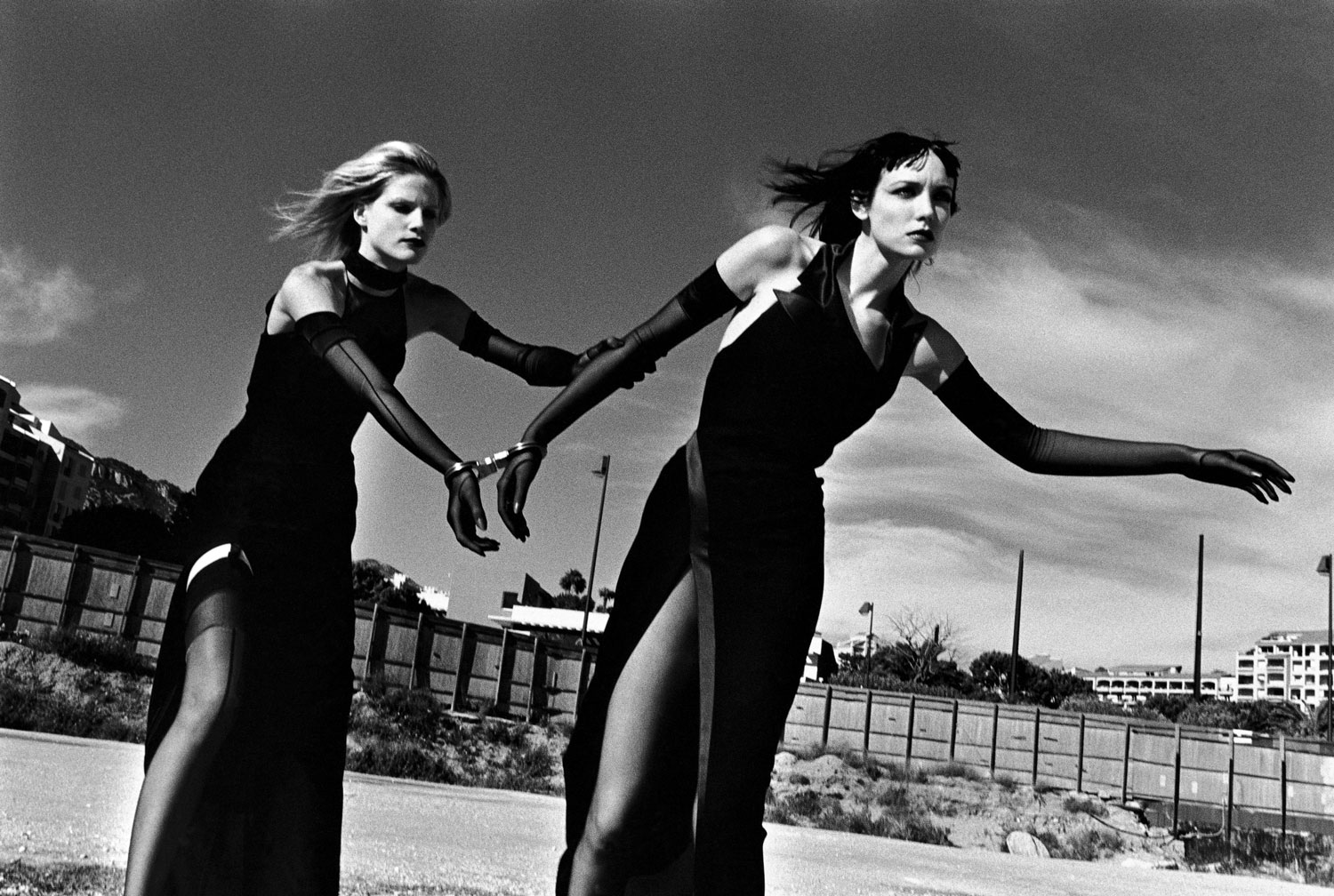
Other photographs felt darker, more theatrical. The women looked powerful, slightly distant, almost like characters in a story you had walked into halfway through. Many of those images belonged to Helmut Newton.
Courtesy of IGuzzini
Even when the clothes were technically the subject, the photograph itself always seemed to come first.
That was the first time I realized fashion photography wasn’t really about the clothing alone. It was about atmosphere, the lighting, the models posture, the distance between the subject and background, and the tension in the frame. The best fashion images never feel accidental; every detail has been considered.
A photograph could suggest a story without ever fully explaining it.
Who is this person? Where are they going? What happened right before this moment?
Those questions were almost always left unanswered, and somehow that made the images even more compelling.
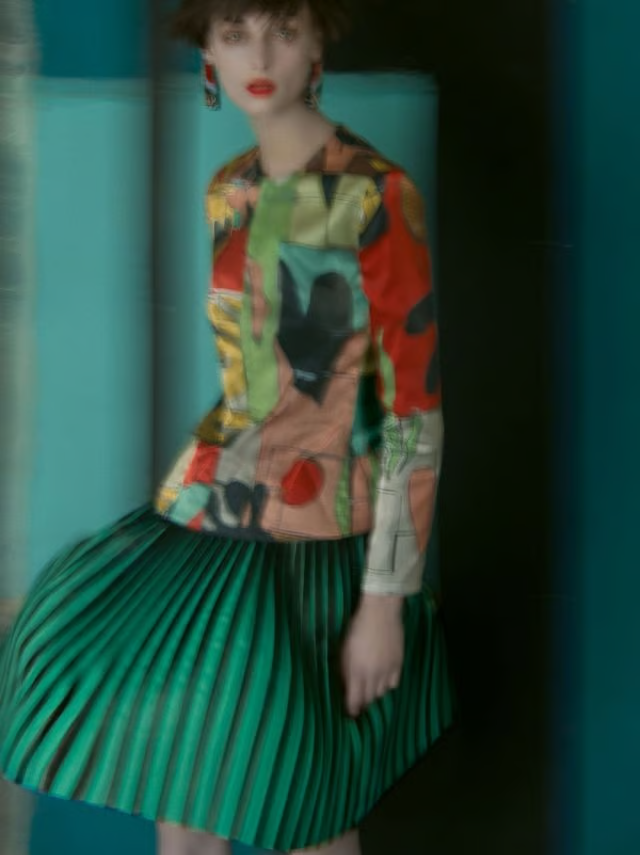
As I kept flipping through those magazines, I started noticing other photographers too. The soft, cinematic quiet in images by Sarah Moon, the slightly surreal worlds built by Guy Bourdin, he way some photographs felt much closer to paintings than advertisements.
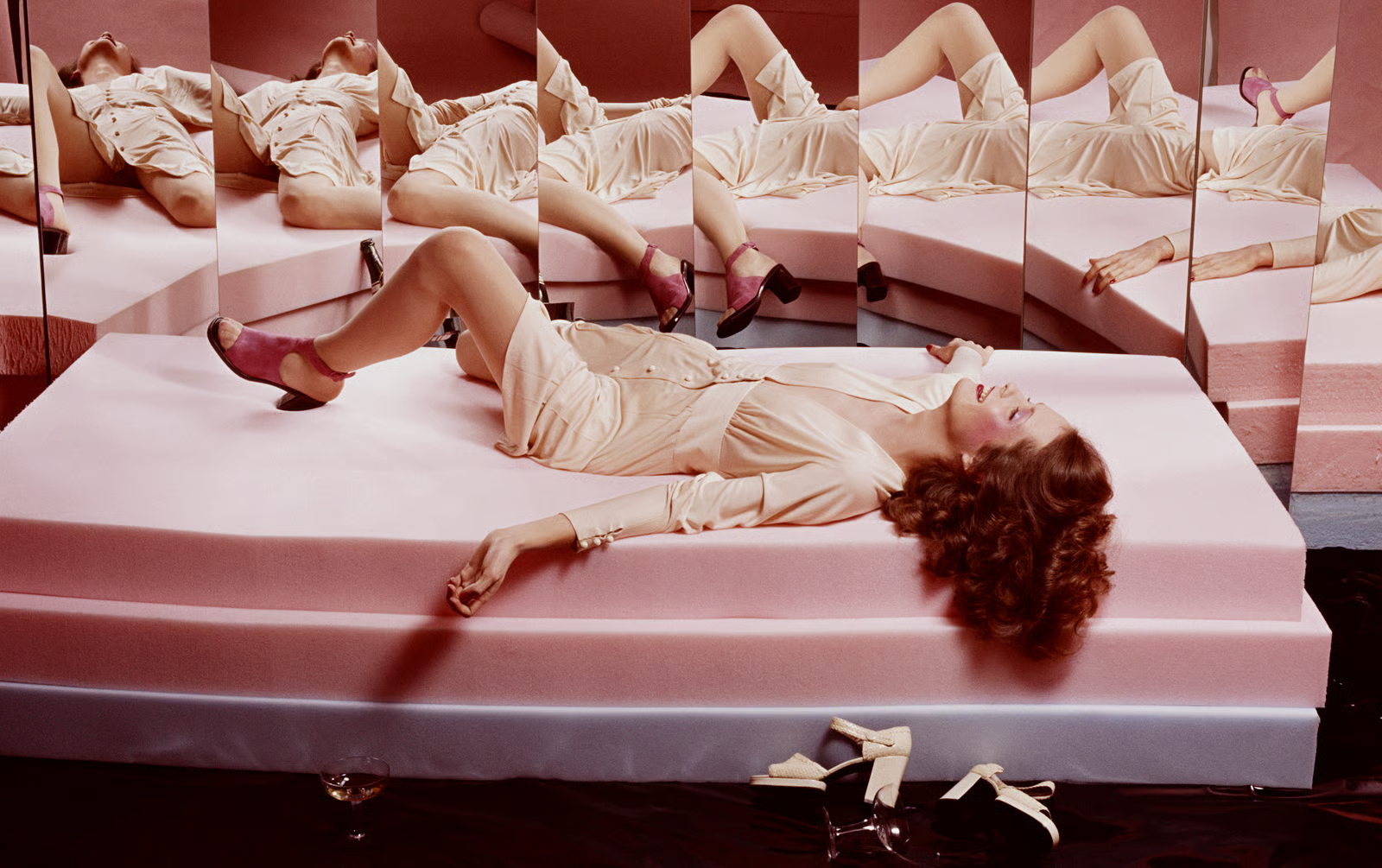
Left Courtesy of Fashion Network
Right Courtesy of I-D
Fashion photography began to feel much less like marketing and more like composition and art.
Looking back now, studying those magazines wasn’t so different from walking around with my old camera. The instinct was the same: pay attention, look a bit longer.
Years later, I eventually bought another camera. A digital one first, and later a film camera in a random shop run by a sweet older man in Manhattan.
Film forces you to really slow down. You can’t take hundreds of photographs without thinking. Every frame matters more. The shutter feels heavier, and the process itself becomes a lot quieter.
Both require patience and reward strong observation.
Fashion photography has taught me that clothing isn’t just something that you wear, it’s something you frame.
And sometimes, losing a camera, though devastating, is exactly what teaches you how to see.
Featured Image Courtesy of The New York Times