
The Rise of Nepo-Babies: Who Fashion Makes Room For
For an industry reliant on creativity and innovation, it’s strange how influence seemingly carries more weight when it comes to visibility. Fashion celebrates dynamic perspectives, originality, and presents itself as a progressive industry, constantly changing as new talent emerges. But beyond the surface, the reality of who really wields that power is far more exclusive.
Pivoting into fashion has always been difficult, as intense networking, access to major fashion hubs (think cities like New York, Paris, and Milan), and the uncertainty of success (among other factors) have always been foundational to its competitive nature. But it’s hard to deny the difference in ease when it comes to hiring, promotion, and exposure. While rarely acknowledged directly by the industry itself, there is no doubt that nepotism is central to fashion’s culture of exclusivity. In hindsight, it makes perfect sense–in an industry where names carry power, all it takes for descendants of influential families to break into fashion is their wish to do so. They already have access to what the ordinary aspirant finds the most difficult to accomplish: connections, proximity to some of the most powerful social circles, and recognition.
However, this does not mean that all who benefit from nepotism are talentless. While some “nepo-babies” have been outwardly criticized for their lack of true potential, there are still many who have proven themselves to be immensely skilled and committed to what the industry entails. These cases make it clear that the issue at hand isn’t their lack of ability, but rather, the imbalance in accessing the industry that they make more difficult for others to achieve.
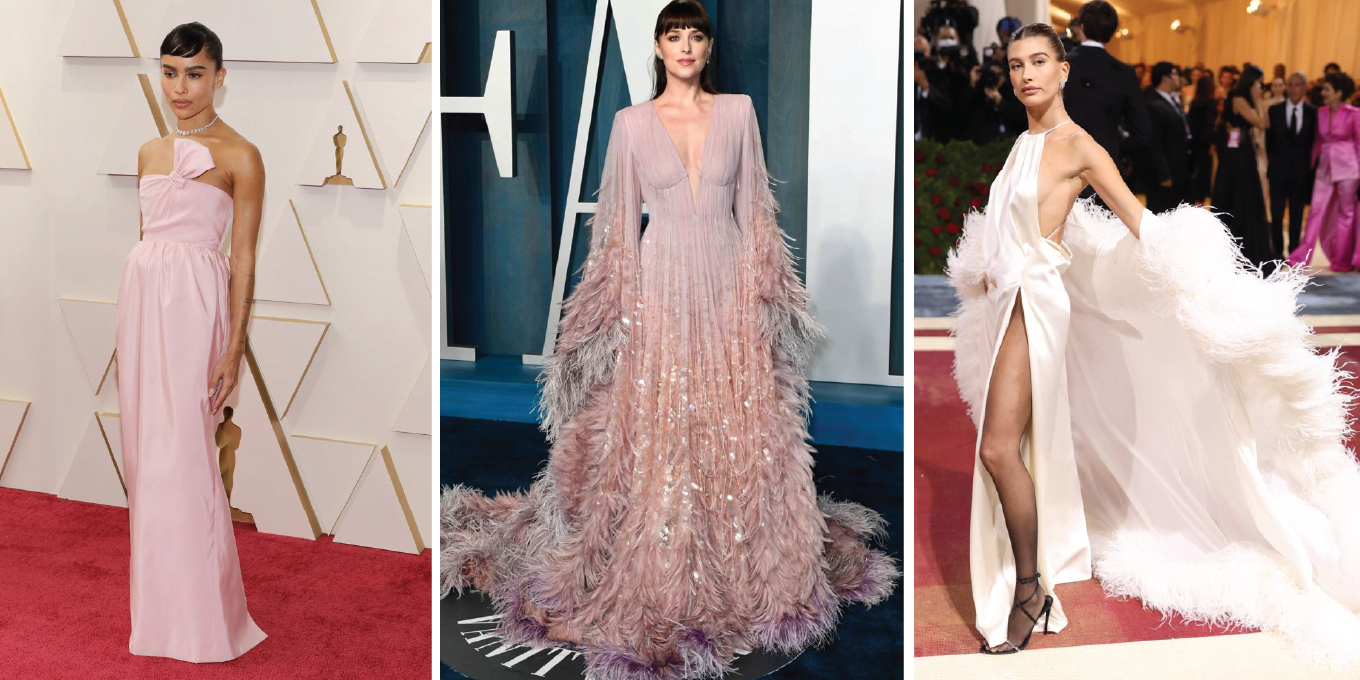
Courtesy of Elle Canada
What makes nepotism more complex within its prevalence within the fashion industry is how normalized it has become over time. Social media pushes a culture of influence: follower counts, views, likes, and brand sponsorships have all seemingly become unanimously acknowledged as markers of fame. As audiences, we, to some extent, are what drive these factors. Brands, other users, and algorithms themselves all function primarily based on audience engagement–if we are more likely to acknowledge and engage with those already famous, they only push it further.
While nepotism is widely regarded by the public as unfair, we must also acknowledge our role in facilitating it. Fashion as an industry might be enabled by exclusivity, but it is only driven forward by attention. If we truly want to see progressive change and inclusivity within the industry, the change will not only have to come in the form of extending opportunities, but also from who we actively choose to value.
Featured Image: Courtesy of Vulture