
Slicked back hair and a no makeup glow are framed as natural. In reality, the look relies on genetic privilege and Eurocentric standards.
In recent years, beauty trends have shifted dramatically away from full coverage foundation and intricate contouring toward a streamlined, minimalist aesthetic. Popularized across social media as the "clean girl" or "off-duty model" look, this style relies on slicked-back hair, neat brows, and glowing, bare-looking skin (Yuen 1).
Marketed as an effortless alternative to heavy cosmetics, the look presents itself as authentic and universal. However, removing makeup from the equation doesn't eliminate beauty standards; it simply changes the rules of who naturally meets them.
The primary requirement of the minimal makeup look is bare skin – smooth, even toned, and blemish free. When sheer tints replace coverage, natural variations like acne, hyperpigmentation, rosacea, or scarring become framed as flaws to be corrected rather than normal skin states. (Howsden 1)
As sociologist and author of the non-fiction book Botox Nation: Changing the Face of America Dr. Dana Berkowitz notes in her research on contemporary beauty cultures, trends that emphasize "naturalness" often end up penalizing those whose natural skin doesn't align with idealized health standards. While high-end skincare or treatments can alter the skin's surface, the baseline requirement remains rooted in genetic luck. When cosmetics are stripped away, the standard shifts from artistry to genetics, making 'effortless' beauty an issue of baseline privilege (Berkowitz 2017, 33-38).
Beyond skin texture, the minimal look relies heavily on features that mirror Eurocentric beauty ideals: high cheekbones, sharp jawlines, and straight or loosely waved hair that easily slicks down into a neat bun.
Crucially, many core elements of this aesthetic are not new. As culture writer Jessica DeFino highlights in her beauty critique publication Flesh World, styles like slicked edges, oiled scalps, and slick buns have deep roots in Black, Brown, and Latina communities as long standing protective and daily routines. Historically, these exact styles were often labeled "unkempt" or "unprofessional" when worn by women of color, only to be rebranded as high-fashion and minimalist when adopted by predominantly white influencers. (Defino 2023)
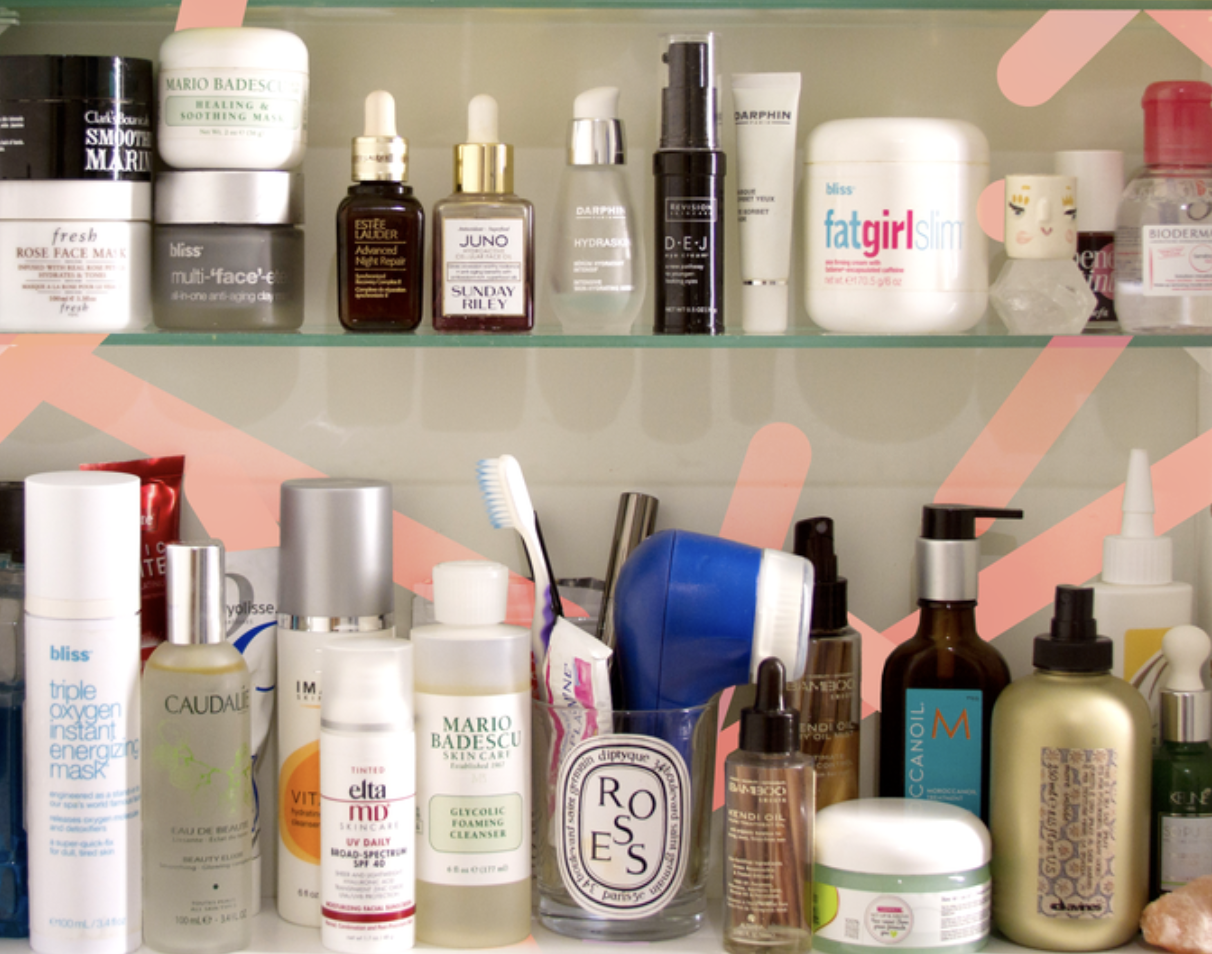
Image courtesy of Refinery29
While marketed as low-maintenance, maintaining a "bare" canvas often requires shifting efforts behind the scenes. Rather than purchasing traditional makeup, participation often relies on semi permanent grooming, such as brow lamination, lash lifts, and multi-step routines. The appearance of needing nothing is frequently maintained by consistent prep. (Galan 2026)
Minimal makeup isn't inherently problematic, and many people prefer lighter routines for personal comfort. The issue arises when an aesthetic dependent on genetic features and specific cultural borrowing is presented as the default, "natural" way to look good. Recognizing the underlying standards allows us to view minimalist beauty as just one choice among many, rather than a universal standard of hygiene or elegance.
Featured image courtesy Safic Alcan