
We live in an era where “trendsetting” has become a profession, with cultural influence increasingly evaluated by the number of followers, media engagement, and the resulting profit one attains. Yet, while social media has seemingly democratized the ability to shape popular culture or “set trends,” the title of “trendsetter” remains far from universally attainable. Deeply entrenched systems of racial discrimination and oppression underpin who is afforded the status of a “trendsetter,” as exclusionary beauty standards, social prejudices, and, in the age of Artificial Intelligence, algorithmic biases determine what trends are seen as legitimate and who is considered worthy of digital recognition.
The concept of a “trendsetter” has, in fact, never been racially neutral. Western beauty standards originating in Ancient Greece and Rome have historically positioned whiteness as the ideal against which other racial identities are measured. These patterns of racial exclusion persist today, expanding into new social domains: a 2026 study published in Psychology of Women Quarterly, a feminist peer-reviewed scholarly journal, examines how Black, Latina, and Afro-Latina girls navigate gendered racism, which “[devalues] their intelligence, leadership potential, creativity, and capacity for joy.” In turn, gendered racism shapes societal perceptions concerning who is considered fashionable or “trendy” on the digital web.
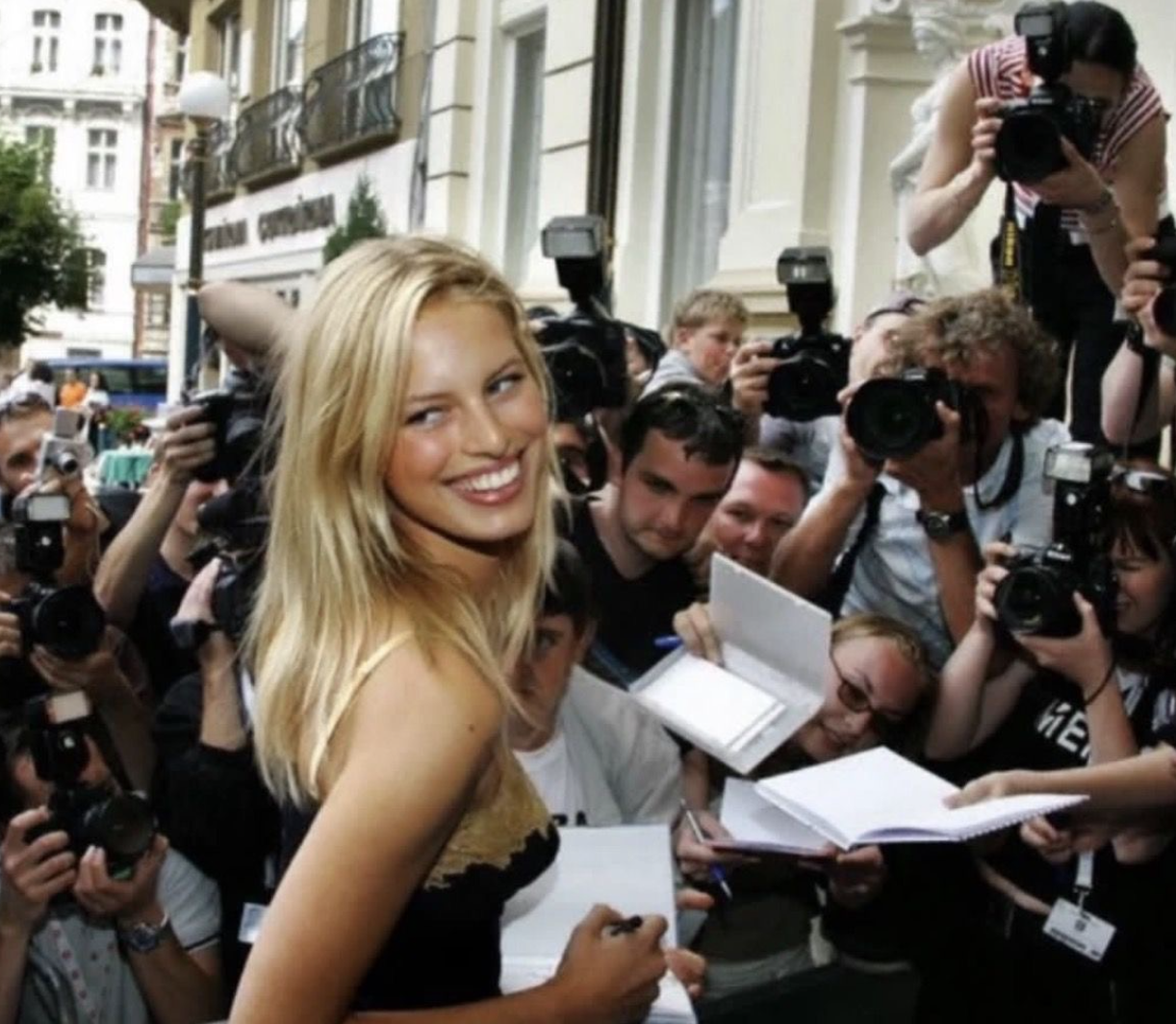
Image courtesy of Pinterest
For example, the 2026 study reveals how hairstyles traditionally associated with Black women have been stigmatized as “unruly” and “unprofessional”; however, when Black-originating styles are adopted by white women, media platforms rebrand them as fashionable and innovative. Moreover, the rise of social media and its growing influence on young girls have further perpetuated gendered racism through algorithmic systems that disproportionately disadvantage marginalized communities, suppressing their content and cultural contributions while amplifying those of white creators deemed more socially desirable and commercially profitable.
Until the racial and gendered biases embedded within algorithmic systems are addressed, social media platforms will continue to reproduce systemic inequalities that exist beyond the digital sphere and exclude marginalized communities from the emerging digital and cultural sphere of “trendsetting.”
Featured image courtesy Pinterest