
Zara's Push Into Luxury: Can a fast fashion brand be seen as high-end?
When the news broke that John Galliano was teaming up with Zara for a two-year stint, the fashion internet completely lost its mind. But if you've been analyzing the retail landscape lately, this wasn't exactly a shock. It was the logical conclusion to a highly calculated strategic pivot. Zara has spent the last few years quietly shedding its mall-brand reputation. They're trading the frantic churn of micro-trends for the heavier, more lucrative codes of luxury fashion.
By bringing in a master of dressmaking like Galliano, the retailer isn't just pushing clothes anymore. They're making a very serious play for cultural legitimacy and higher profit margins.
Why John Galliano?
Galliano is famous for his past work at Dior and Maison Margiela. His clothes are known for being incredibly detailed and theatrical. He's the kind of designer who treats fashion like pure art. When a designer with that kind of background goes to a fast fashion company, it forces people to look at the company completely differently.
Zara is having him rework their past designs instead of just making a standard collaboration line. This is a really smart move because it makes their old clothes seem like a special "archive." That's a word usually reserved for high-end fashion houses with decades of rich history. Using that kind of language automatically elevates the whole brand.
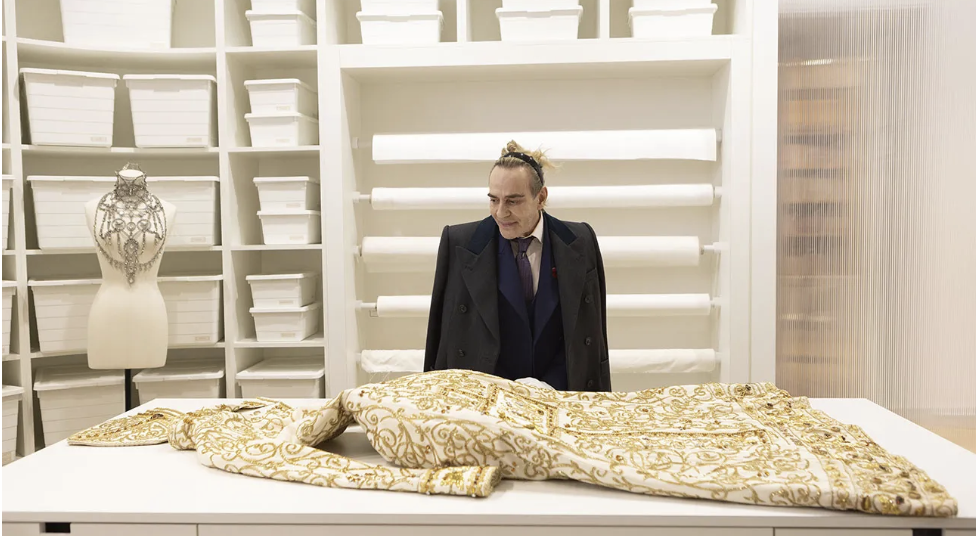
Image courtesy of The Hollywood Reporter
Moving Away From Fast Fashion
This partnership is part of a much bigger trend in the retail world right now. Extremely cheap fast fashion brands like Shein are completely taking over the lower end of the market. Because Zara can't compete with those rock-bottom prices anymore, they are trying to step up into a higher category.
They've actually been setting this up for a few years. They started using famous fashion photographers to make their website look more like a high-fashion magazine. They also started making limited collections with better fabrics like real silk and wool. Plus, they worked with other high-end designers on smaller collections to test the waters before finally signing the big Galliano deal.
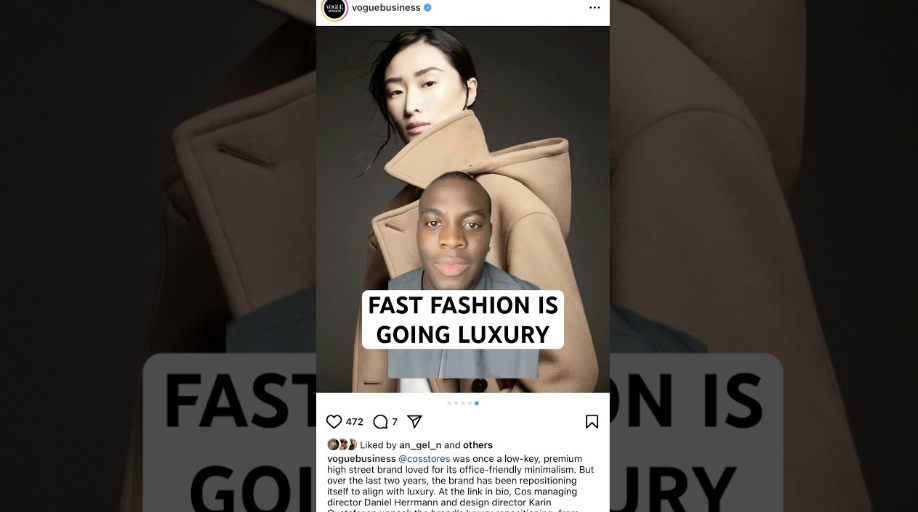
Image courtesy of YouTube Shorts
The Problem With the Archive
There's a bit of a catch, though. In true luxury, an archive is a really big deal. It's full of fashion history and beautiful handmade clothes that took hundreds of hours to make. For a fast fashion brand, an archive is really just a massive warehouse full of unsold inventory from last year.
By having Galliano redesign these mass-produced pieces, Zara is trying to pull off a magic trick. They want to make basic clothes feel special and rare. It's a clever way to fix the main issue with fast fashion, which is that it can feel very soulless. If people think they are buying a special Galliano piece, they will probably care a lot less about the fact that it was made on an assembly line in a huge factory.
What Happens Next
Zara is betting heavily that regular shoppers are experiencing luxury fatigue. People are tired of paying thousands of dollars for designer clothes, but they still really want the look and feel of a premium brand. Zara is trying to sit right in the middle of that gap.
If they can pull this off, they will be the first fast fashion brand to genuinely be seen as high-end. We will have to wait and see if the strict fashion world actually buys into this idea. Some critics will probably always see them as just a mall brand. But either way, this Galliano deal definitely changes how people look at the Zara label going forward.
Cover image courtesy of The Style Files