
TikTok: Building off Trends We See Or Influencing Them?
With the rise of platforms within TikTok, such as the infamous TikTok shop, are trends we see on our fyp influenced by actual, real-life displays, or are they results of advertising? What does this say about originality in fashion today?
The present world of fashion raises questions about where trends truly emerge – are they designed and made fashionable through popular creators, or are they a result of discrete advertising? The majority of social media users will find their pages swarmed with recommendations, features of seasonal “must have” items, and GRWMs from favored influencers that feature similar fashion staples that seemingly fit current trends. The question is–are institutions such as the infamous TikTok shop (and its influencer-reliant marketing strategy) responsible, or are trends reflected by user engagement and posts telling of what is truly preferred within users? Are such trends creative and/or a result of the revolving notion of fashion trends, or are they simply established via discreet advertising?
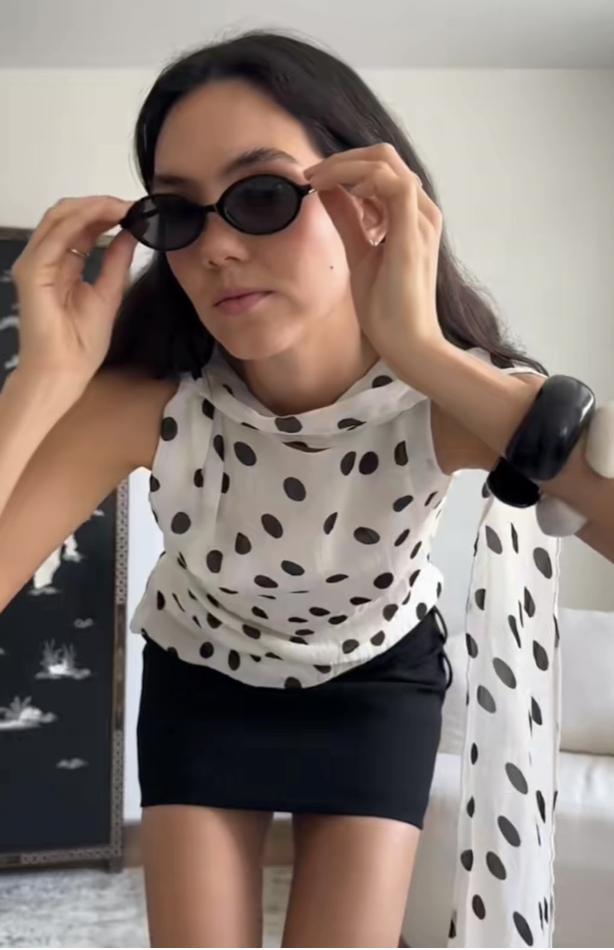
Courtesy of @dealbadenisse
Even before the introduction of “Tiktok Shop”, various companies took advantage of TikTok’s broad audience to target optimal consumers. Whether it be through mutual followers between their product and a specific niche of influencer, or through directly appealing to consumers of a broader audience (for example, advertising “dupes” for popular, more expensive products), the nature of TikTok within today’s fashion community is undeniably influential. The inclusion of outsider brands onto TikTok’s platform has surged to the point where disclosure of whether videos are actively promoting a product has become optional–ultimately making it difficult for viewers to interpret what is truly indicative of what is popular within the fashion community. What we view as authentic displays of trends in a personalized, spontaneous manner, seems to currently evoke the thought of “this is what I should be buying” rather than “I want to buy this”--a growing commonality across other platforms where influencers take reign over their audience’s preferences.
But should TikTok’s algorithmic and influencer-based structure be the only factors to blame? The truth is, TikTok’s positioning as an interactive platform makes clear the presence of an “in between” in regards to the fashion community as users, as well as the influencers who convey such trends. As audiences, it can be easy to become an active part of the cycle of influential advertising, taking away opportunities for creativity and unique self-expression for an alternative of trends based on what we see as active users of social media.
The influence that social media platforms have on us and our perception of fashion and self-expression, however, is not all negative, but rather something we should recognize – whether we consider our purchasing decisions, or whenever we come across an advertisement from our favorite influencer that showcases a product aligned with current fashion trends. Whether what we place in our carts reflects what media we are, or are not, exposed to should be a choice made by the consumer themselves. However, this choice should still be made with a sense of media literacy and consumer awareness.
Featured Image Courtesy of Vogue