
Nana x Vivienne Westwood: Cop or Flop?
One of the most recognizable fashion-power relationships in manga history was created when Ai Yazawa first sketched Nana Osaki gripping an iconic Vivienne Westwood armour ring.
When news broke that Nana, the coming-of-age anime that shaped so many young creatives, would be collaborating with the late Vivienne Westwood’s brand, it felt like sirens went off. Two worlds I’ve always lived in were finally intersecting in a way I didn’t think was possible. Of course, I’ve seen anime and fashion crossovers before: Naruto x Crocs, Sailor Moon x Jimmy Choo. But Nana is different. It’s a story told through the eyes of women finding themselves, and Vivienne Westwood was a woman who built an empire on rebellion and self-definition. For once, in a fashion collaboration, I felt seen. But what followed was something I didn’t anticipate at all. Two decades after the manga mainstreamed Westwood to a new generation, the branding alignment felt overdue and almost poetic. Then it dropped, and fans quickly felt excluded from the narrative they helped build.
Luxury That Priced Fans Out
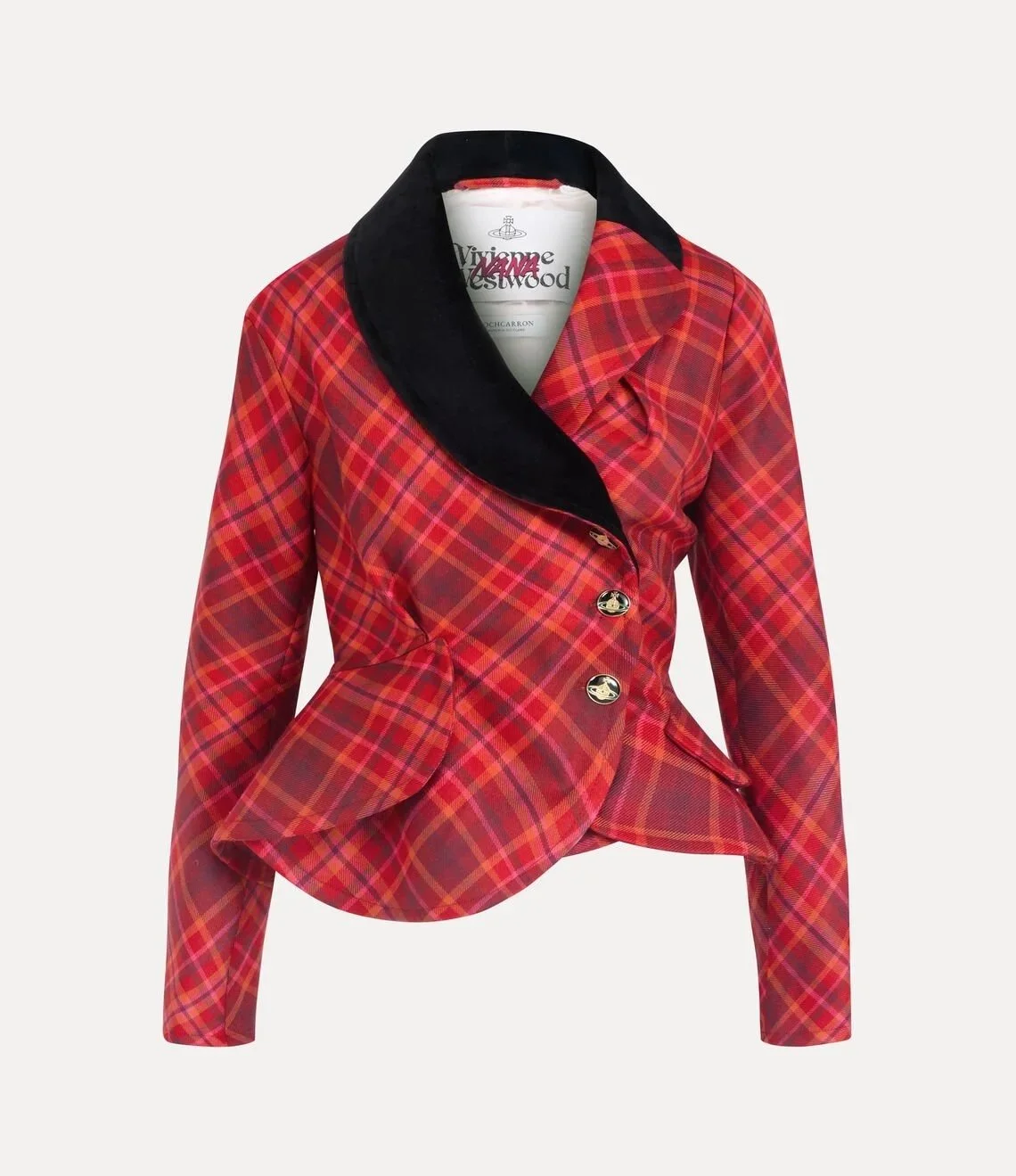
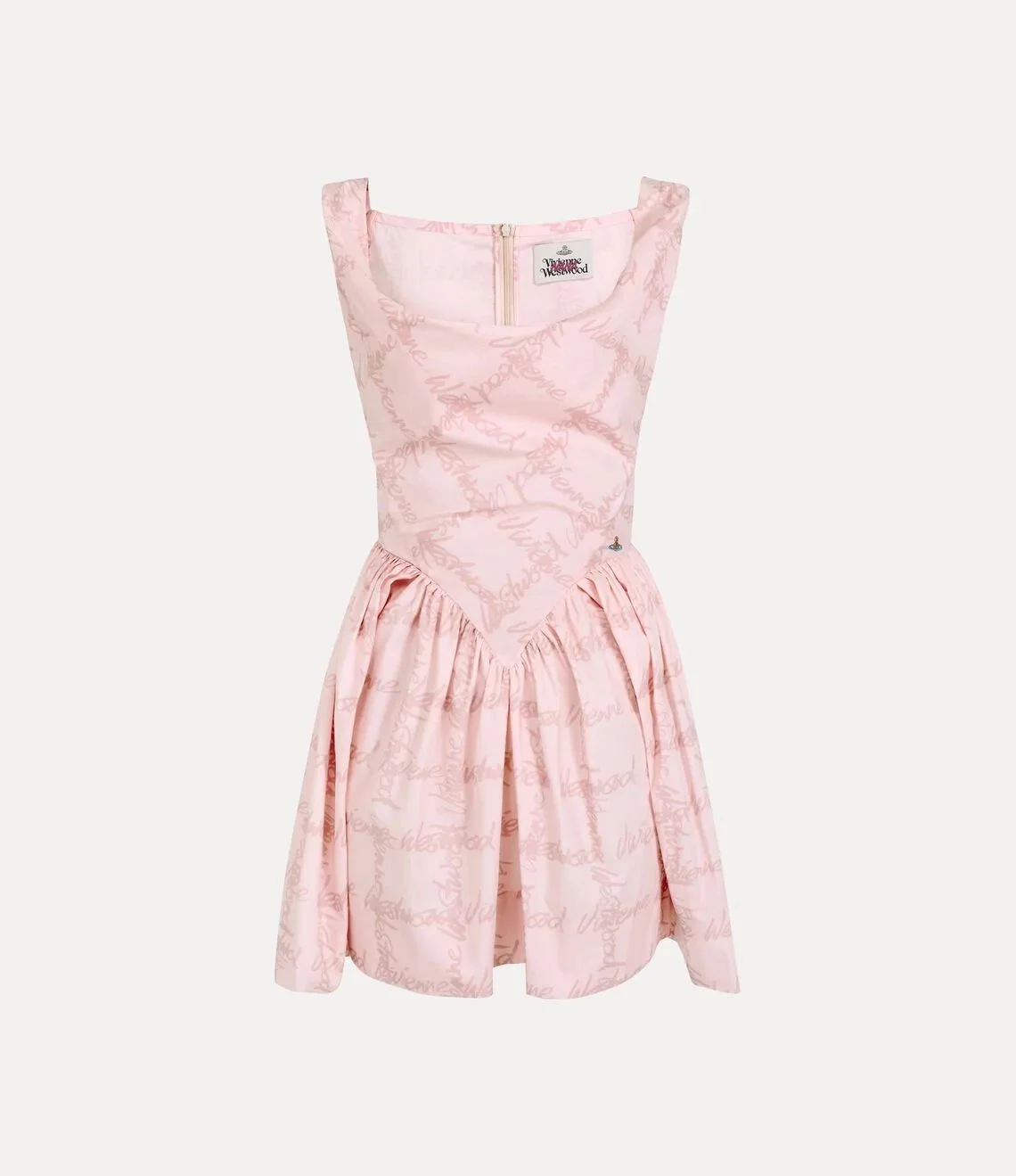
The collection leaned heavy into high-end archival silhouettes, showcasing corsets, tartan tailoring, and structured jackets. However, these price points quickly sparked discourse online. The Nana Mini Sunday Dress retailed at over $1,100, which people think is unbelievable for an unlined dress. The Stormy Jacket climbed past $2,000, sitting at $2,080. The armour ring-inspired jewelry? Nearly $2,100 in some cases, even though they’re made with brass instead of sterling silver as the originals were. At a time when many fans of Nana discovered the series through worn out manga volumes or YouTube streamed anime clips, these prices landed like a sad joke.
Nana has always walked a tightrope between elegance and struggle. People related to the characters chasing love and fame while living paycheck to paycheck. In that context, the collab’s luxury-level pricing almost reads as dystopian, as it is fashion that mimics their emotional state but ignores their financial reality. One person on Reddit commented that they couldn’t imagine spending their rent on a collab that fell short of their expectations.
PR That Rolled Out…Kind Of
Adding to the controversy was a fragmented and under communicated release schedule. The collaboration launched in pieces, starting at an anniversary manga at New York Comic Con, then via Books-A-Million and select Vivienne Westwood boutiques. These were released with limited stock and low fan awareness.
Online, early-access drops sold out before most people even understood what was launching. Reddit threads describe the capsule arriving “like a surprise runway announcement” rather than the celebratory fan moment it could have been. For a brand built on community and emotional connectivity, the marketing felt removed.
A Tale of Two Drops: Japan vs. the U.S.
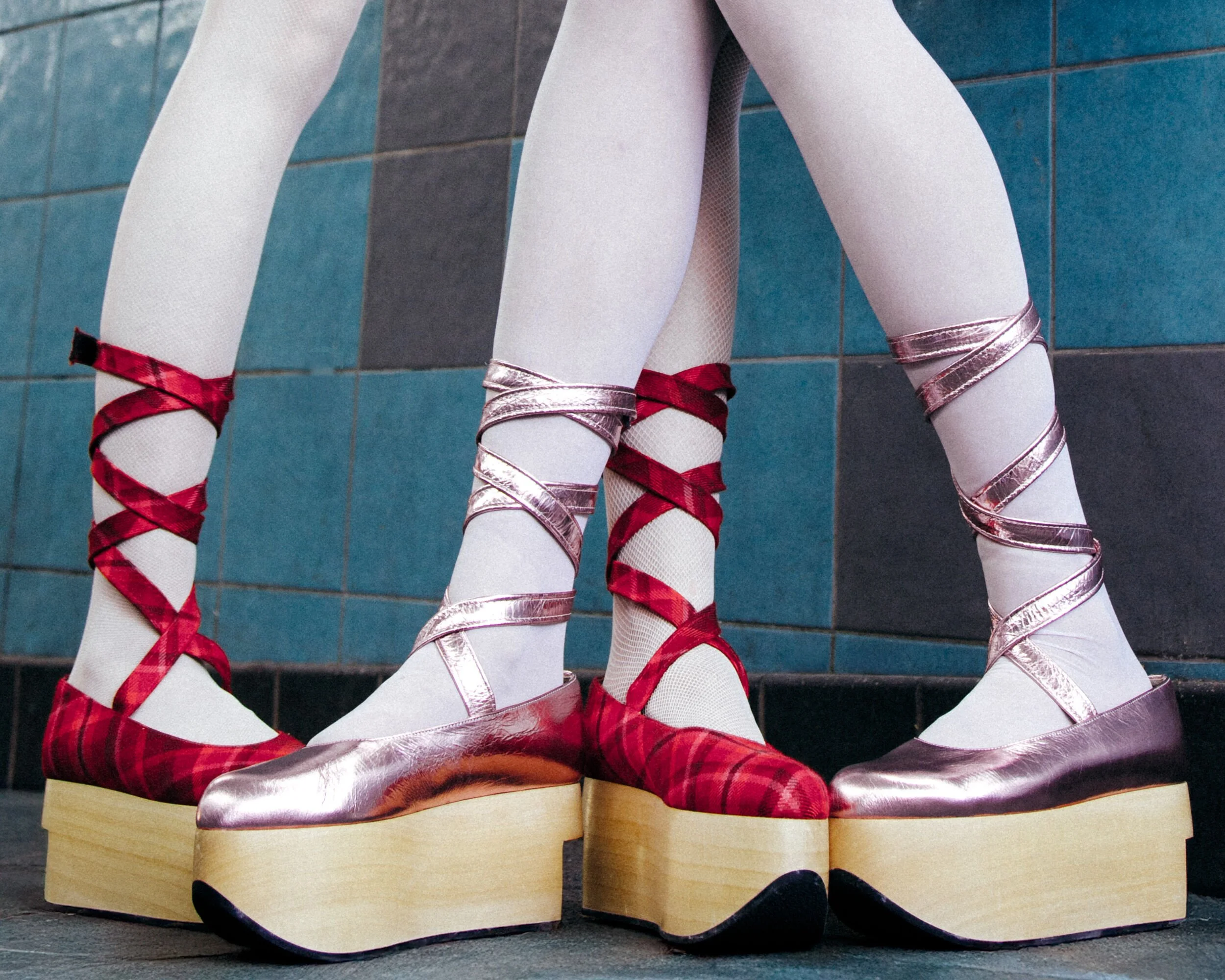
Historically, Nana has cultivated a global following, particularly in North America and Europe. Yet, once again, the collection made its strongest offerings abroad. The Rocking Horse Ballerina platforms, a direct reference to Nana Osaki’s wardrobe, were reissued with pink metallic detailing exclusive to Asia. U.S. fans were limited to select versions and often through specific boutique access only.
Courtesy of Glamcult
The Archive They Should Have Reopened
To Vivienne Westwood’s credit, the collaboration was not conceptually lazy. It referenced corsetry and Vivienne’s legendary tailoring philosophies, and captured both Hachi’s femininity and Nana’s edge beautifully.
But it also sidestepped an obvious opportunity, which would be to rerelease exact replicas of the pieces shown in the manga and anime. Vivienne Westwood herself wore the iconic heart blazer that was also worn by Nana in 1987. The drop missed the mark on that particular piece of clothing, as many people were looking forward to that. This heart blazer was a huge reason why Nana was Nana.
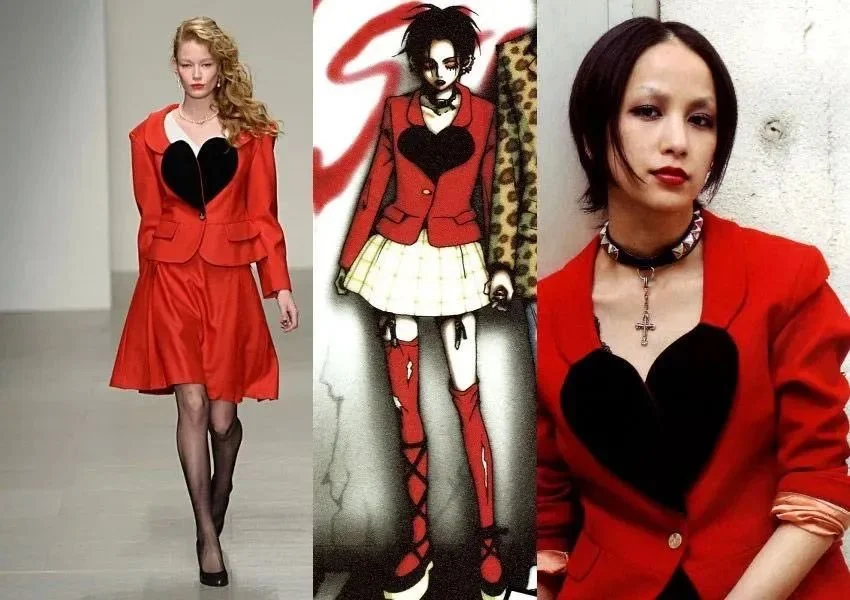
Image Courtesy of X
So… Did It Flop?
That depends on who you ask.
From a luxury fashion perspective, the collab was a runaway success. The capsule sold out quickly, with items reselling above retail. Strategically, it works.
But from a fandom and cultural standpoint, the collaboration didn’t pass the emotional test. It didn’t feel like a celebration of the fans who stuck with Nana through decades of hiatus, rewatches and community blogs. It felt like a thank-you letter addressed to someone else.
Ultimately, this drop should go down as a cultural reset, although it is not the one people expected. Instead of answering years of fandom yearning, it challenged us to consider fashion's access barriers. It reminded us that the punk we saw in Nana's boots was never meant to be polished into perfection.
In other words: Vivienne Westwood generally got the look right. The heart? Still in Tokyo, still smoking on Nana’s balcony.
Featured Image Courtesy of Viz