
Neon lasers, thumping bass, and a sea of glitter, fur, and rhinestones.
At a rave, fashion is just as loud as the music. From DIY bedazzled bras and furry boots to neon pashminas and light-up fishnets, rave attire transforms the percussive electronic dance music (EDM) scene into a rainbow of individuality. Beyond the flashy costumes is a culture rooted in self-expression, freedom, and belonging, with Peace, Love, Unity, and Respect (PLUR) as its guiding principles.
In the City of Brotherly Love, beneath the layers of corporate office wear and trendy brand streetwear, thrives a hidden tunnel (literally!) of underground raves that echoes Philadelphia's rich history of counterculture, rebellion, and self-expression.
Rave attire has evolved significantly over the years. In the 1980s and early 1990s, the first underground rave parties in the UK and U.S. cities like Detroit featured mostly casual streetwear, such as baggy pants and oversized t-shirts. Ravers quickly began experimenting with eccentric colors, materials, and patterns, wearing lingerie, fishnet stockings, and form-fitting pieces, possibly as a rejection of societal norms. The EDM scene found its way in Philadelphia, and centered around hubs such as After Midnight Club and clubs in South Street.
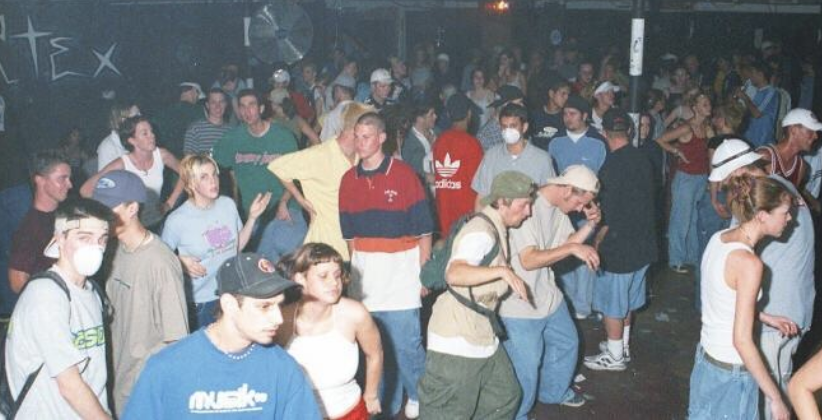
Image Courtesy of Reddit
In the 2000s and today, in the era of festivals and pop culture, these parties transitioned into massive outdoor festivals where minimalist or revealing clothes became prominent as a method to keep cool in crowded and hot spaces. The progressive and forward-thinking values embedded within the music seemed to manifest in the fashion concurrently. The largest rave festivals in Philadelphia, HiJinx Festival, and now Breakaway Philadelphia, reflect this new wave of fashion.
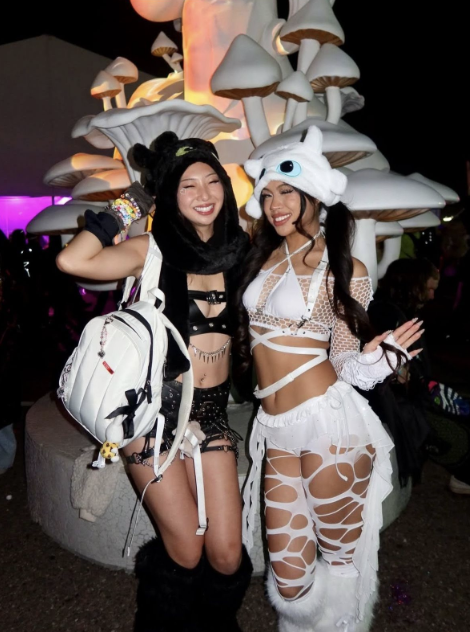
Image courtesy of Pinterest
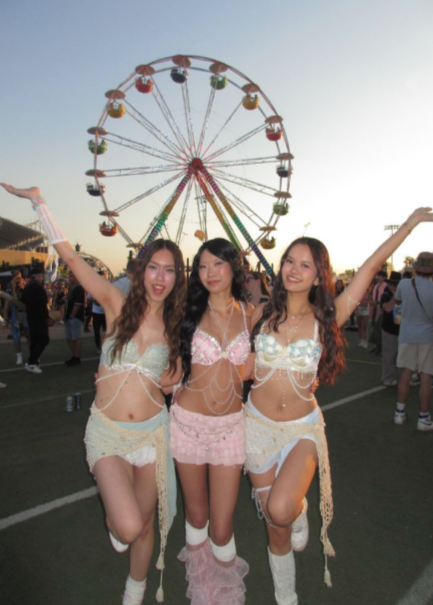
Image courtesy of Pinterest
While it is difficult to define rave fashion, there are many common characteristics that are present in ravers’ clothing choices. Rave attire is often characterized by its flashy colors. Historically, wearing bright neon colors to stand out against dark environments has been popular. Even for festivals that take place during the day, bright colors are always present. Neon colors reflect the rave culture’s electric atmosphere, especially under the vibrant and flashing strobe lights that make the clothing shine. Wearing light-up accessories, such as necklaces, glasses, and hats, is especially popular in Philadelphia raves, which are often held in underground venues at night. More recently, people enjoy wearing black to have an edgier or grunge aesthetic.
Another aspect of rave attire and culture is kandi, which is brightly colored, beaded jewelry. Kandi used to be a symbol for the drug ecstasy because drug dealers would wear bracelets with bright and neon colored beads so they could be spotted in the blacklight. Today, kandi is made to be worn and traded, instead of a drug symbol.
Before a concert, ravers make their own kandi, choosing elaborate colors and designs, or even forming patterns with letters or phrases. Intricate kandi designs and patterns can take the place of a single row of beads to multiple rows, with thicker cuffs bracelets designed a certain way. Stacked together, these bracelets create armfuls of colors and expression.
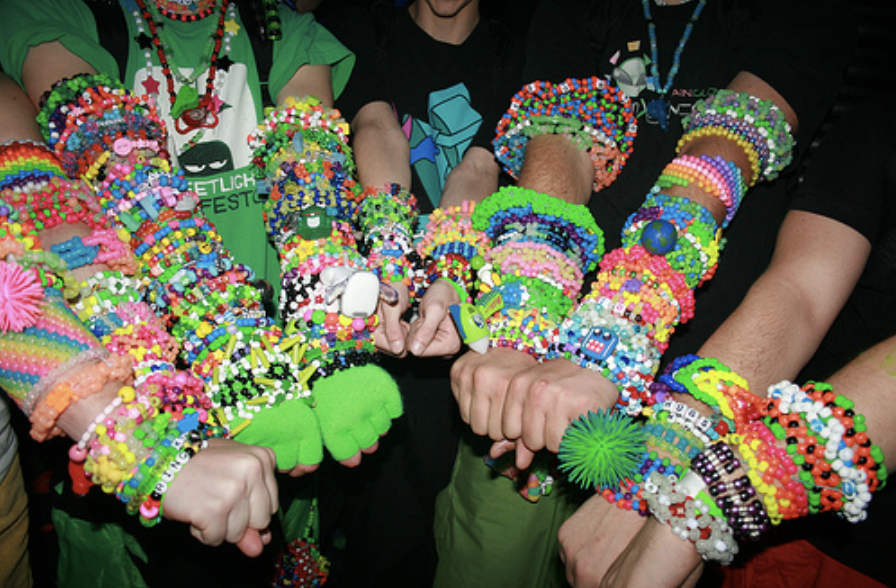
Image courtesy of Bass Bass
Trading kandi is a huge part of the rave culture. PLUR, the motto that surrounds EDM culture, is also used in the specific hand motions to trade kandi with strangers, regardless of who they are. It’s common to see ravers exchange their happiness through excitedly forming the hand signals of PLUR.
Ravers also enjoy interacting with other EDM-enthusiasts by “sprouting” strangers to spread joy and build community. Sprouting includes clipping little plastic plant sprouts to someone’s hair, hat, or festival gear to show PLUR, oftentimes without the sprouted-individual noticing. It is also common to see other trinkets being traded or stealthily gifted, such as miniature rubber ducks, tiny resin animals, or tiny plastic babies.
Sharing bright pink or red “HOT” stickers has also become increasingly popular. They’re often given to people who are extra energetic in the crowd or as a playful compliment. In Philadelphia, this gift-giving culture has expanded beyond the EDM scene, and can be present in other genres of festivals or concerts with similar crowds.
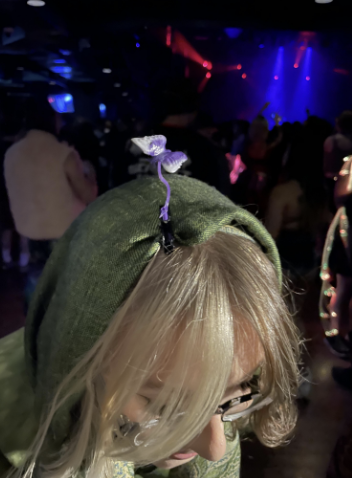
Image courtesy of Reddit
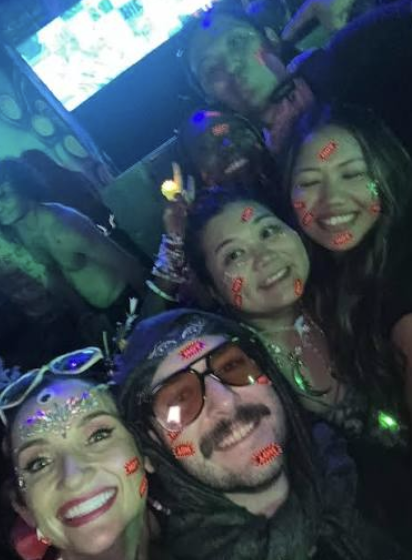
Image courtesy of Facebook
Finding rave attire in Philadelphia can seem difficult. Yet, there is a realm of alternative and punk culture in South Philadelphia on South Street, which is avant-garde in itself. Vixen on South Street is particularly useful to find statement tops or rave attire. Lady Love and Crash Bang Boom, all located on South Street, are also home to alternative accessories.
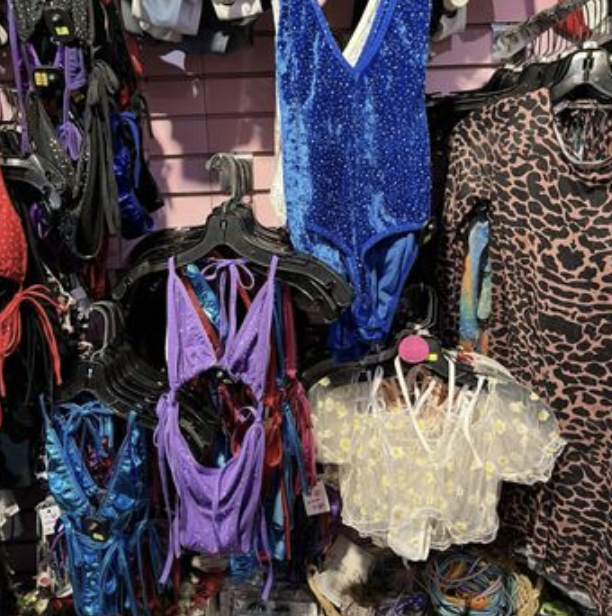
Image courtesy of Yelp
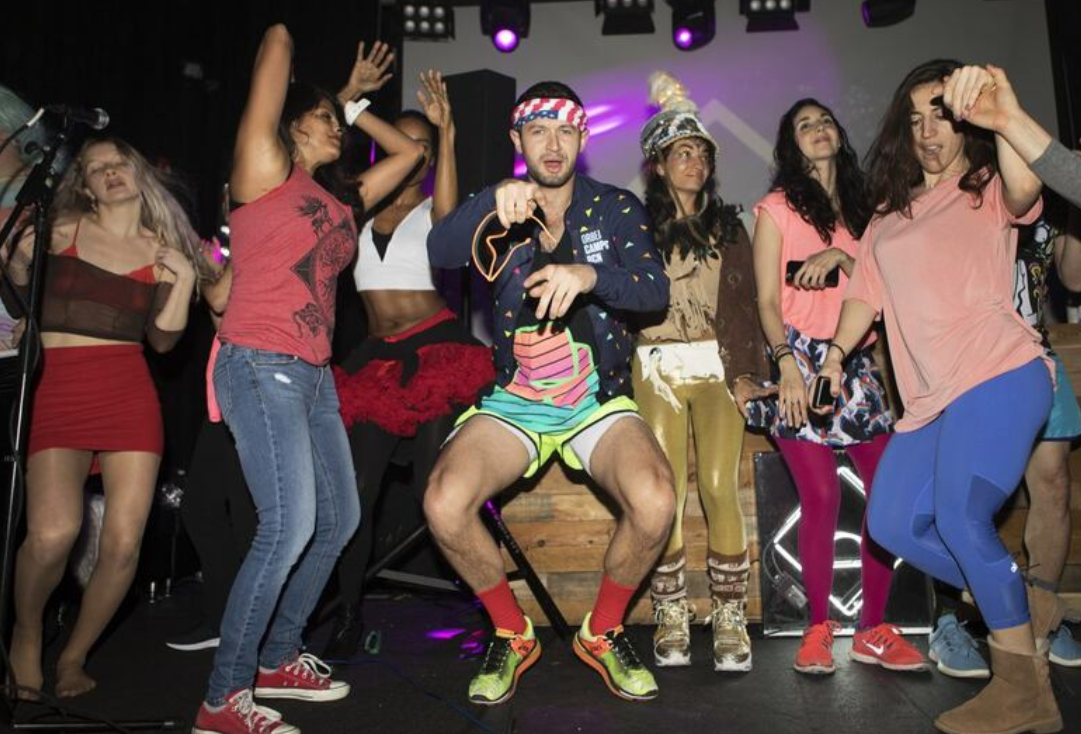
Image courtesy of The Philadelphia Inquirer
For years, rave culture has allowed attendees to embrace their authentic selves and express their creativity in ways beyond words—through their outfits. In a space where standing out brings people together, raves have the power to challenge norms and create communities.
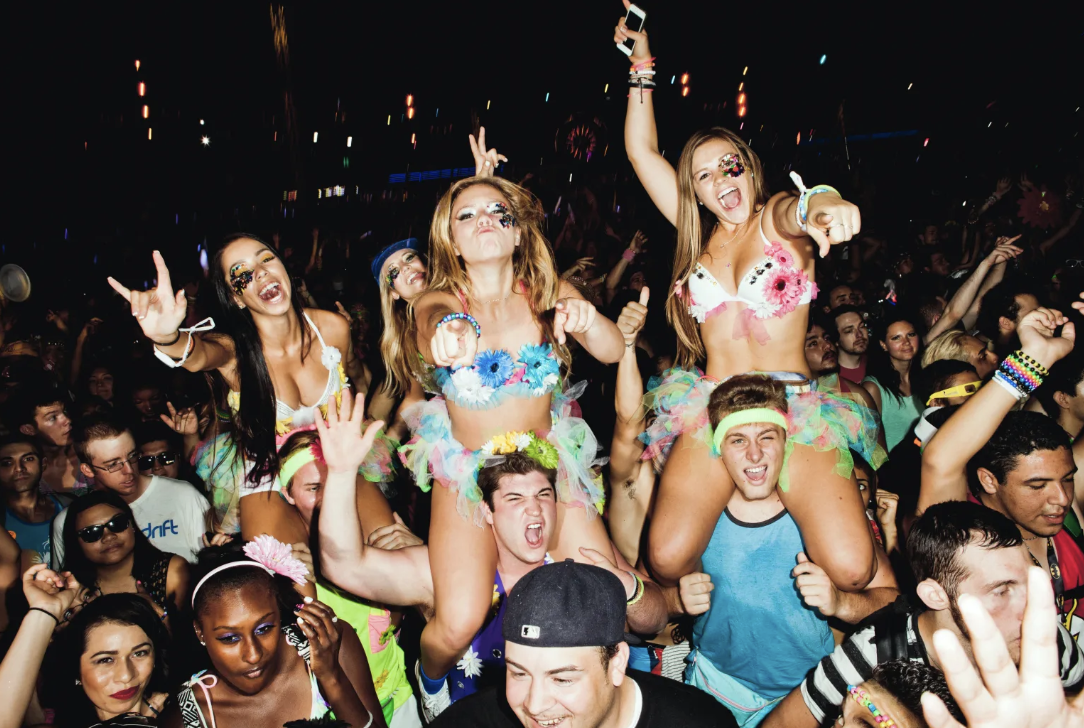
Image courtesy of RollingStone