
Girl Dinner, Girl Math, and Girlhood in the 21st Century
Girlhood is pure. Girlhood is innocent. Girlhood is carefree, energetic, and youthful, and womanhood is terrifying. Womanhood is responsibilities, financial anxiety, and the fight against the greatest horror of all: getting older.
Girlhood offers an escape from those fears. Coquette bow accessories, Barbie, and the girl-ification of everyday activities—epitomized by girl dinner and girl math—allow us to return to the simplicity and safety of childhood. On the surface, these trends are relatively harmless ways for women to connect online. The virality of girl dinner and girl math goes to show how relatable and intuitive this kind of thinking is to women and girls of all ages.
But still, it’s hard to ignore the underlying messages behind these trends that are tied to society’s tendency to idealize youth and fear the prospect of aging.
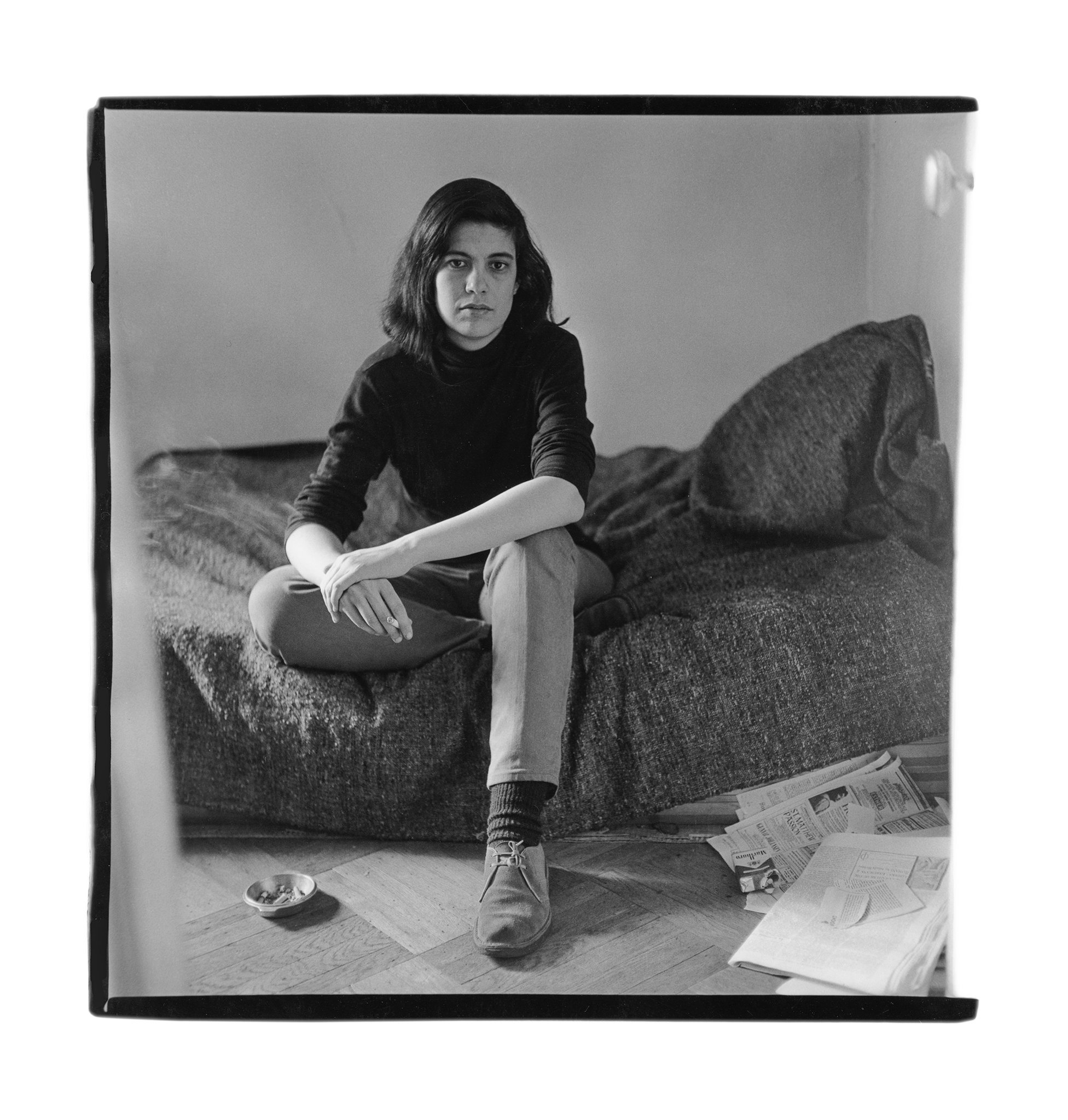
Courtesy of Diane Arbus
Susan Sontag’s seminal essay “The Double Standard of Aging” was published in 1972, yet its insights remain profoundly relevant to today’s society and can be applied to any of the trends belonging to the broad girl-ification category.
Sontag astutely observed that while aging is considered a natural and even revered process for men, it is often viewed with anxiety and disdain for women. The titular double standard is perpetuated by media representations, societal expectations, and cultural norms that glorify youthfulness and equate aging with decline. But as much as people scrutinize women who look their age, women who take steps to combat the aging process through cosmetic procedures are equally criticized.
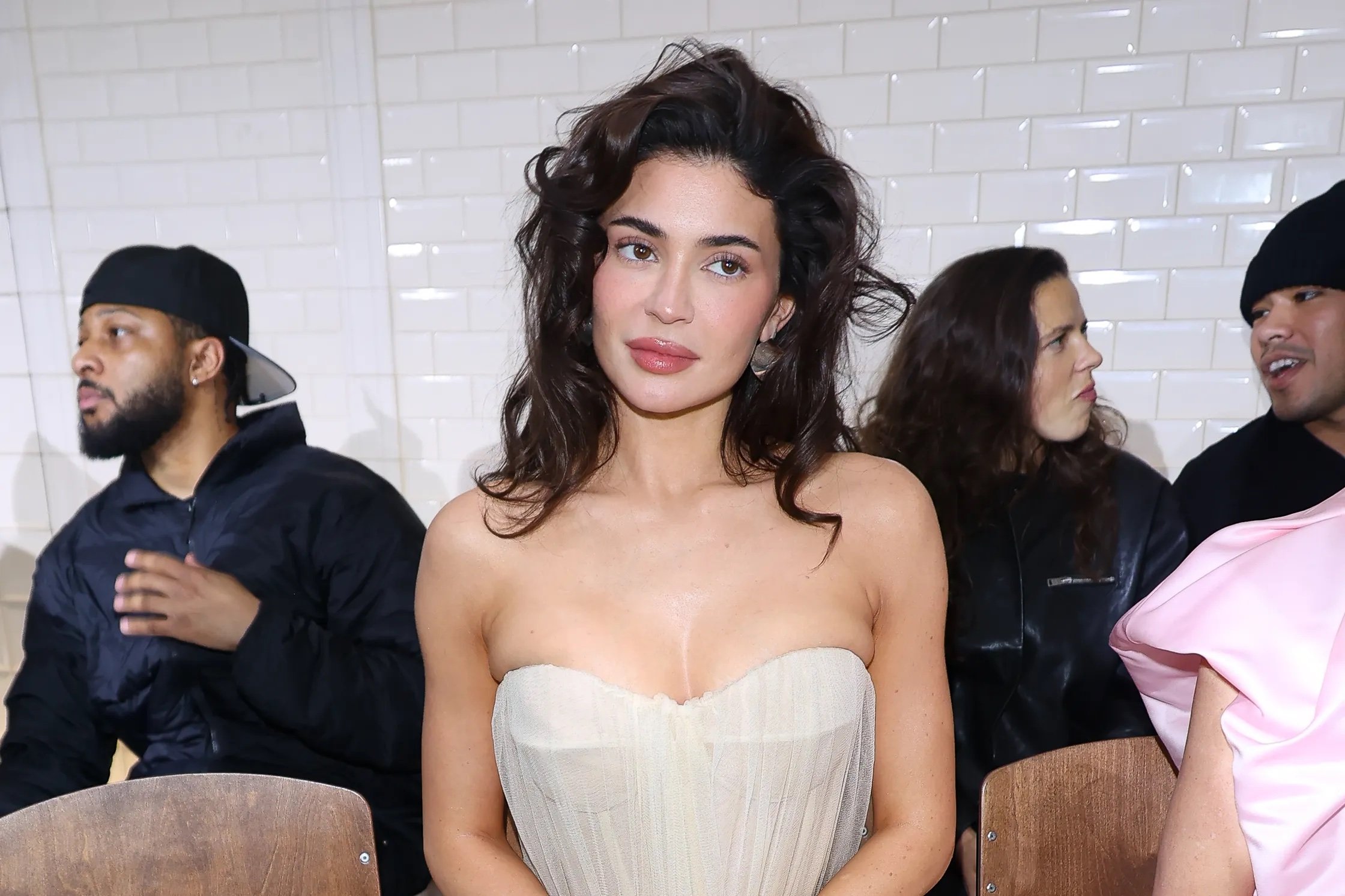

A recent example that comes to mind is Kylie Jenner, who attracted media attention during Paris Fashion Week, not for her outfits but for her face. Countless articles, tweets, and videos were made by users commenting that something looked “off” about her appearance, followed by even more articles, tweets, and videos from doctors diagnosing the issue as a reaction to under eye filler, or poor lymphatic drainage, or simply lack of sleep. The same internet criticizing Jenner for getting cosmetic procedures done and setting an unrealistic standard for women was now ridiculing her when her appearance began to reflect the natural results of aging.
So how does this tie back to playful trends like girl math and girl dinner? Yes, these trends can be interpreted as merely an innocent longing for the simple days of childhood, but they are also just another manifestation of our culture’s aversion to the idea of getting older.
It isn’t just that society wants to keep women perpetually young and in this state of innocent girlhood. These trends also continue to exist because a contrast has been created between the youthful purity of girlhood and the much more ambiguous “womanhood,” and between the two, women prefer the former option.
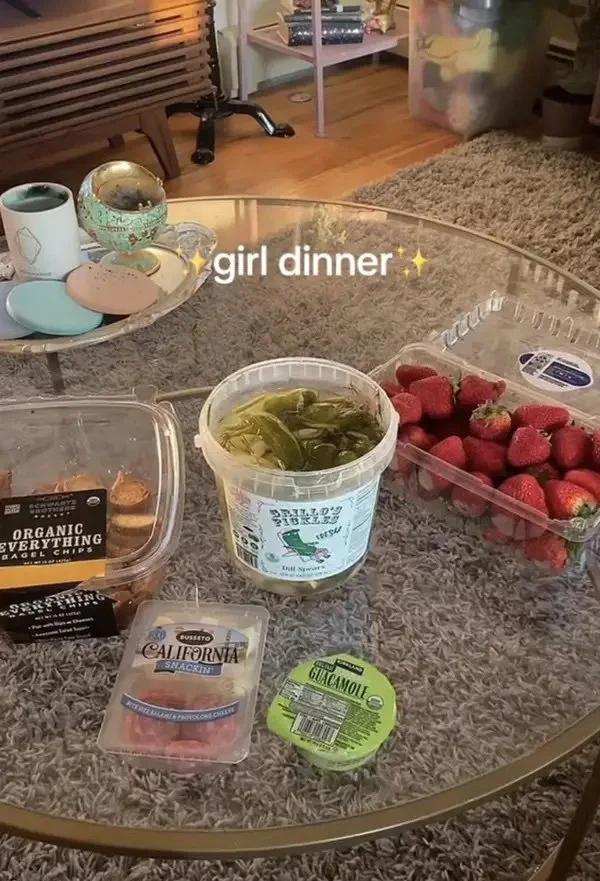

Girl Dinner began with a video posted by Olivia Maher of her “girl dinner, or medieval peasant,” a conglomerate of bread, grapes, cheese, and wine. From this, a trend was born of girls posting their unique combinations of fruits, crackers, popcorn, and whatever else they could pull out of their cupboards. For some, it was a rejection of the pressure to make every meal a perfectly rounded one, the idea that being a woman creates a responsibility to cook dinner every night and to exist only to provide for others.


On the surface, girl math provides women with the opportunity to take the pressure off of the act of spending money on themselves. With a diverse set of spending loopholes like “if you buy something in cash, it doesn’t cost you anything” and “when you buy something on sale, you’re making the money you saved,” it began as a funny way for women to justify purchases they deemed non-essential.
This kind of thinking also assuages some of the guilt associated with making purchases of things that are stereotypically feminine and deemed frivolous or not valuable as a result. There’s an entirely separate discussion to be had about how women are often shamed for the way they choose to spend their own money because of how the patriarchy trivializes and ridicules feminine interests and hobbies. But strictly in the context of girlhood versus growing up, girl math betrays a sense of fear and uncertainty about the financial independence and responsibility that accompanies getting older and entering womanhood.
In a roundabout way, all of this relates to the themes that Sontag discusses in her essay. She describes how the “ideal state proposed for women is docility, which means not being fully grown up,” and how society’s notion of what is “typically ‘feminine’ is simply behavior that is childish, immature, weak.” This is where the contrast between “woman” and “girl” comes into play. Because if girlhood represents one distinct phase of a person’s life and womanhood is an entirely separate phase, it follows that these two periods must juxtapose one another.
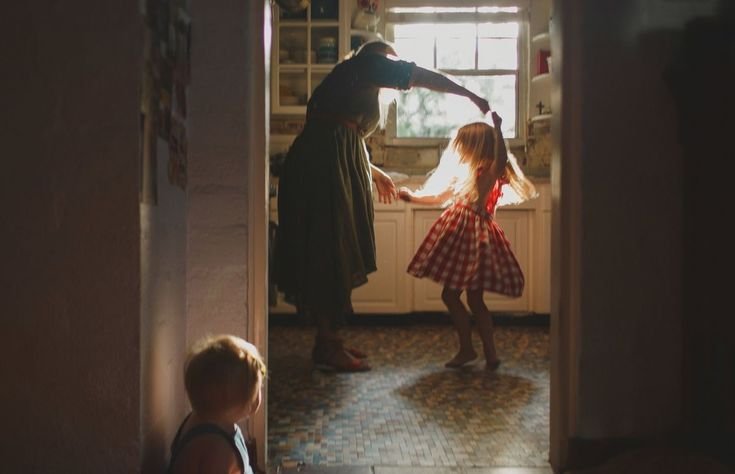
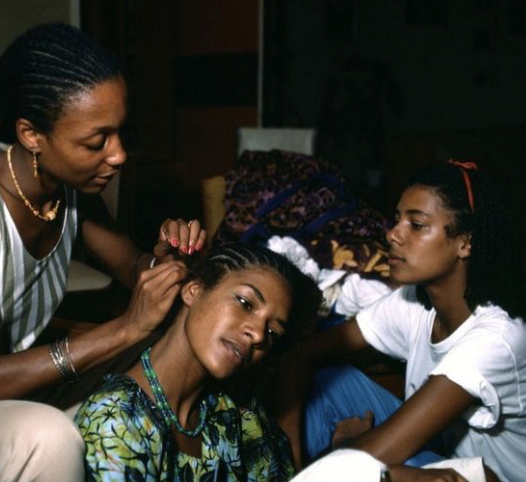
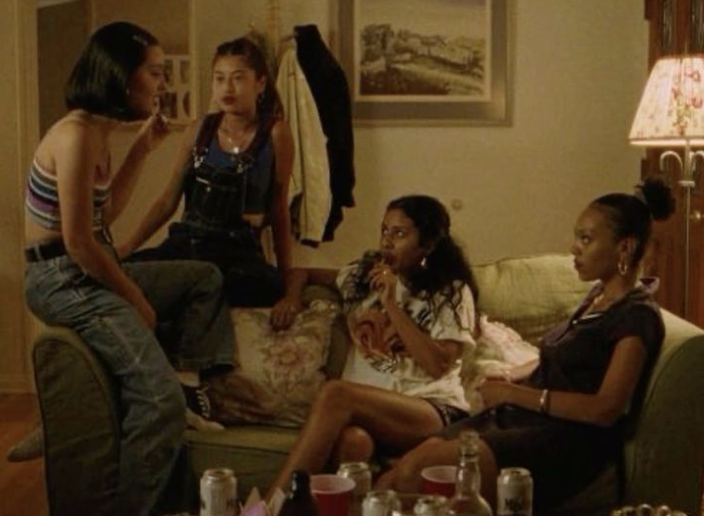
Our culture has defined womanhood with the misogynistic responsibility to exist only in the home, with the dreaded process of developing wrinkles and seeing one’s body change, and with the idea that becoming a woman means losing the spark of imagination and joy that one carries throughout childhood.
So if we want to avoid that state of being, the solution—as these trends would have us believe—is to reject womanhood and embrace girlhood instead. If womanhood is feeling trapped by societal standards for proper manners, responsibility, and appearance, girlhood is freedom.
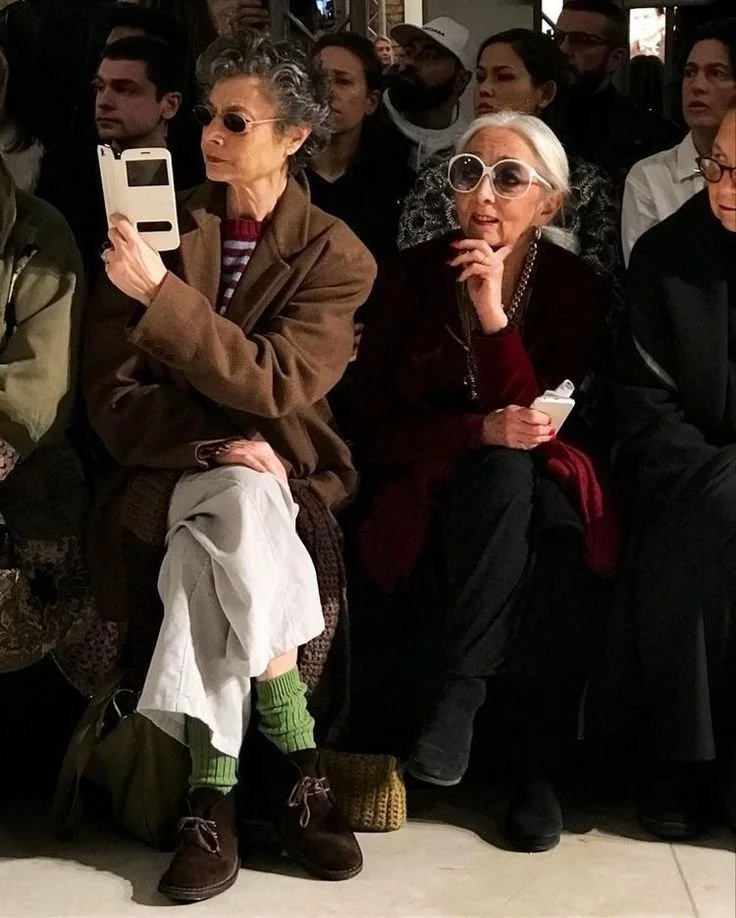
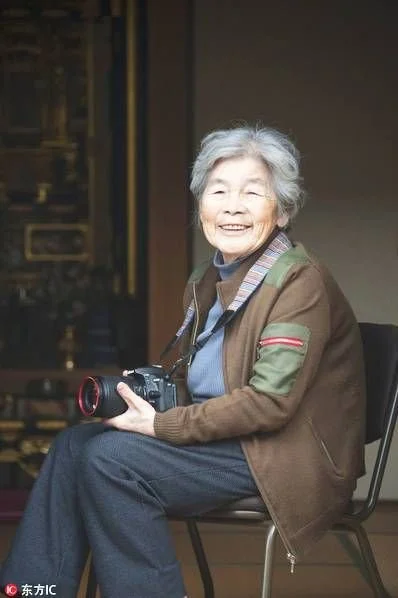
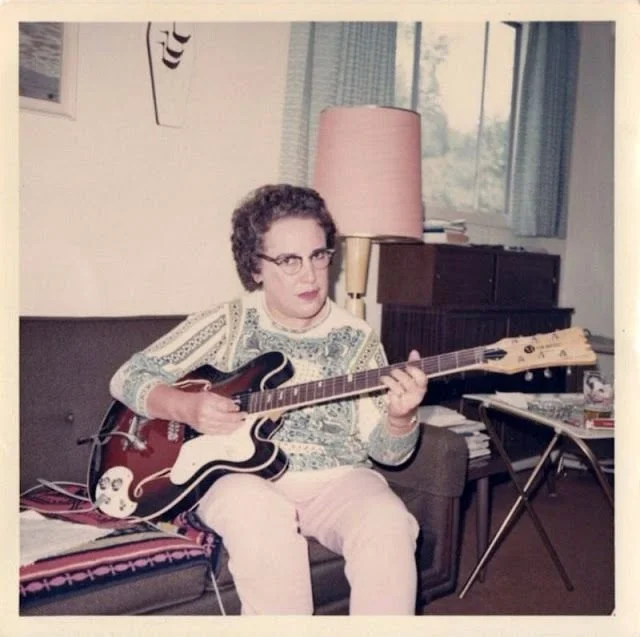
But feeding into this idea that staying girls forever is the ideal and growing older is the worst idea imaginable does nothing to solve the issue. All it does is feed into the stereotypes and expectations that society has placed on women and girls, alike, to stay young and “pure,” for the benefit of men, at all costs. The better solution is to make the effort to seek out content created by older women and deconstruct the idea society has instilled in the collective consciousness that a woman’s life ends at the age of 29.
This isn’t to say that girlhood isn’t fun and playful and rewarding in its own way, but especially as young adults it can be helpful to remind ourselves that womanhood is pretty cool too.
Featured Image Courtesy of Pinterest